
Getting High-Density Heat Into a Mobile Glass Rig
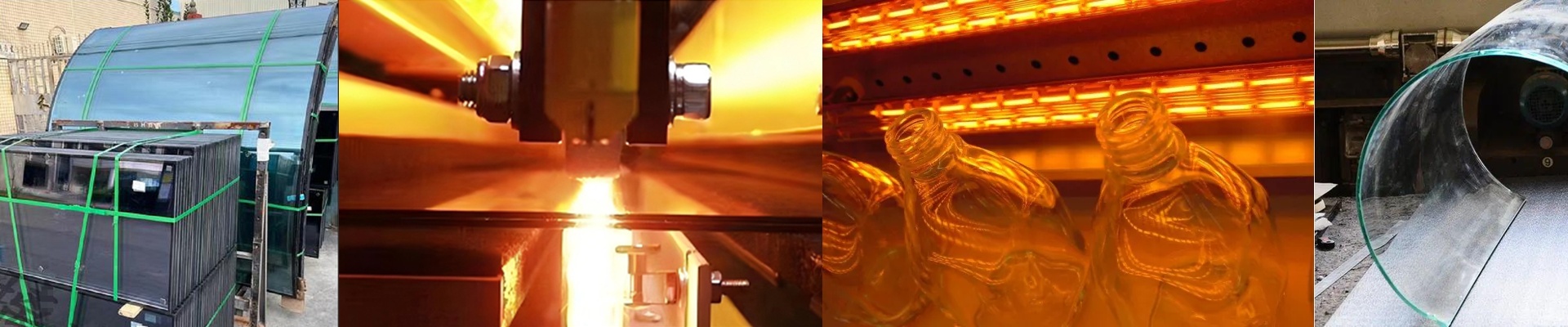
Trying to squeeze a high-performance IR heater into a mobile glass repair bracket is a bit of a nightmare. You’re basically fighting two things: a tiny amount of space and power that just won’t stay steady. You can’t just grab a standard industrial heater and shove it into a handheld rig. It won’t work. You need a quartz lamp that gets screaming hot, fast, but doesn’t blow your circuit or melt the bracket right off the windshield.
The Power Struggle
When you’re working with a tiny footprint, shortwave quartz lamps are the way to go. They push energy into a narrow spectrum that cuts through glass quickly. The real headache here is the wattage-to-length ratio. We focus on high-watt-density filaments. This lets us use shorter tubes without losing that thermal punch you need to actually get the job done. But here’s the thing: mobile power is messy. It fluctuates. If your voltage dips, your cure time drags on. To stop the filaments from burning out too early, we pair these lamps with a stabilized power supply or a solid DC-AC inverter. It just keeps things smooth.
Heat vs. Hardware
Quartz is the only way to go. It handles the shock of being flipped on and off constantly without cracking. We also use halogen-filled tubes to make sure the filaments actually last. But there’s a catch. These lamps gethot. Like, really hot. If you pack them too tight into a small bracket, you’ll deal with heat soak. To keep your electronics from frying, you’ve got to use heat-resistant alloys for the housing or throw in some active cooling. Trust me, you don’t want to smell melting plastic mid-job.
Putting it Together
To keep the rig slim, we use compact connectors. We also run everything through high-temp silicone leads. Regular wiring will just melt, and that’s a disaster you don’t need. Once it’s wired up, you can glide the rig across the glass while keeping a steady, intense heat right where you need it. It just works.