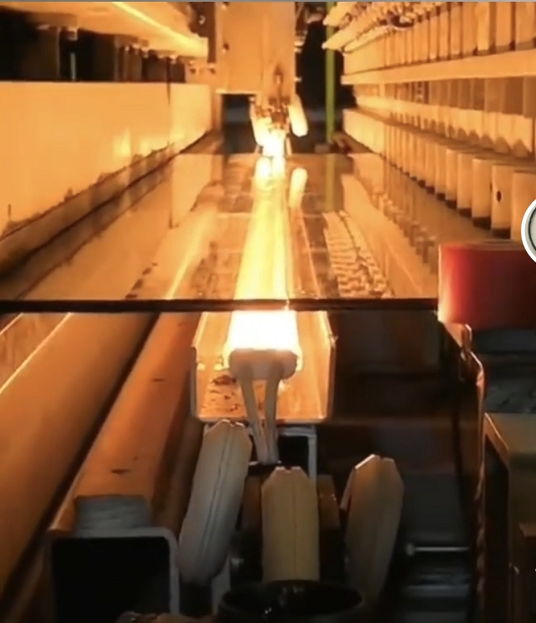
Getting Your IR Lamps to Actually Work with Glass Additives
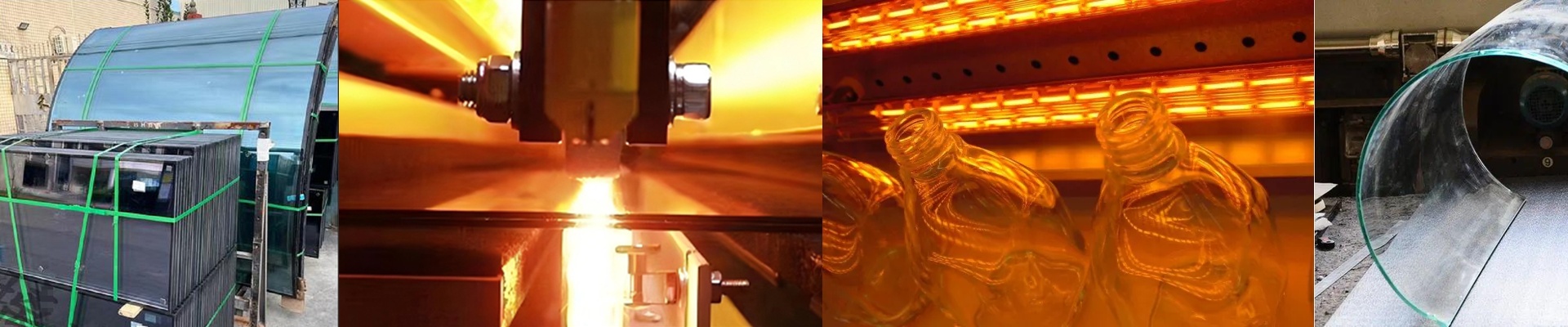
If you’ve ever tried using a standard IR lamp on glass with specific additives, you know the frustration. Most of the time, they just don’t hit the mark. Here’s the thing: general heating isn’t enough. To get the results you need, the wavelength has to match the actual molecular vibration of your material. We don’t just “heat things up”—we tune the infrared spectrum so the energy actually sinks into the glass instead of bouncing off the surface. It stops you from wasting power and keeps your machine’s chassis from overheating. You get a concentrated hit of heat exactly where the chemistry needs it. The deal with Ceramic end caps High-wattage quartz tubes take a real beating, especially where the seal happens. That’s why we use ceramic end caps. They handle the transition from the quartz to the electrical leads without warping or cracking when things get scorching. Plus, they give you the mechanical rigidity to keep the lamp dead-center in your housing. I’ve seen too many lamps burn out early just because the end caps weren’t up to the task. Our ceramic interfaces keep the electrical contact tight, even when you’re cycling the heat up and down all day. A few reality checks Now, these custom lamps are powerful, but they aren’t exactly “plug and play.” Because we’re concentrating energy into specific peaks, the heat density on the tube surface can spike. You’ve got to make sure your cooling fans and heat sinks can actually handle those hot spots. If your airflow is weak, the quartz tube will fail—no matter how good the end caps are. Do yourself a favor: grab a calibrated pyrometer and check those surface temperatures during your first run. It’ll save you a lot of headaches later.