Technical Deep-Dive: Power and Voltage Flexibility
Let’s get real about what matters on your shop floor: your power supply and your heater have to play nice together. No exceptions. That’s why we build our quartz infrared lamps for glass ovens around the voltages you actually run—110V, 480V, and 575V. North America? Europe? Big industrial line? Covered. And here’s the part that saves you headaches: you can wire these lamps straight into your existing control panel. No step-down transformers. No extra cabinet clutter. Less time spent on commissioning. Just plug in and get moving. The physics behind it is pretty clean. Infrared output follows input power. When you run higher voltage, you get the same wattage with lower current. That means less voltage drop over long runs, and you can keep conductor sizes sensible. So if you need longer heater lengths, you can do it without losing temperature uniformity across the glass. The whole surface stays steady, not hot-and-cold.
Material and Design: Surviving the Heat and the Hookup
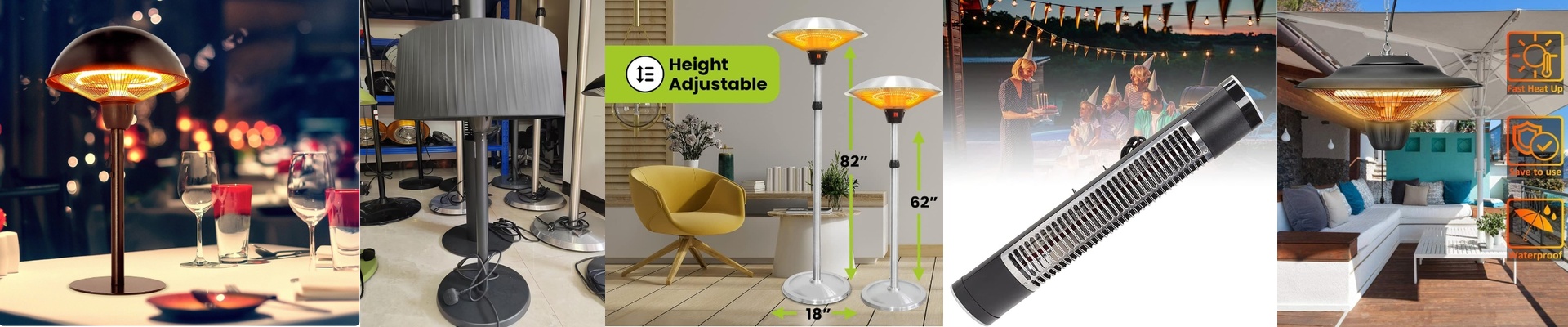
Glass ovens are brutal environments. The lamp has to deliver intense radiant heat, then handle the shock of cycling on and off, again and again. We use high-purity quartz glass because it’s built for this—transmitting shortwave infrared efficiently and taking rapid temperature swings without cracking. Inside, the filament is engineered to stay stable at high heat, so output stays consistent over thousands of cycles. And because your time matters, installation is straightforward. We equip these lamps with standardized connectors, so they drop in as a direct replacement. No custom brackets. No rewiring nightmares. Just one note: the quartz envelope handles thermal load beautifully, but it’s sensitive to mechanical stress. Treat it like glass—because it is. Mount it with proper support, keep the leads cool, and avoid putting torque on the quartz.
Application and Benefits: Why This Spec Works for Glass
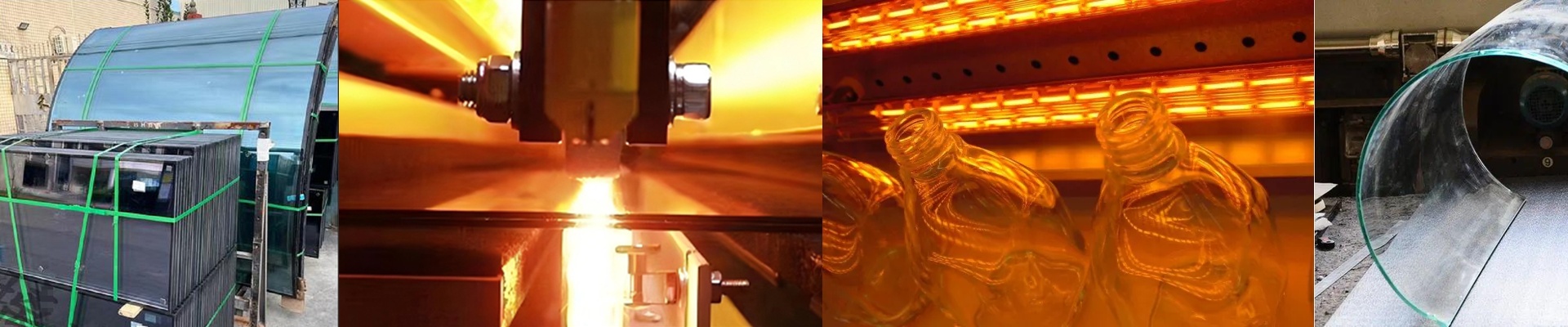
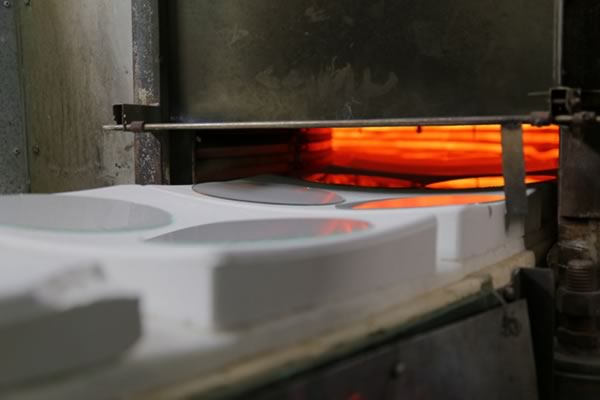
In glass processing, you need heat that’s fast, controllable, and focused on the product—not the oven walls. Quartz infrared lamps do exactly that, radiating energy directly onto the glass for quick heating and precise temperature profiles. The voltage flexibility also makes life easier if you run machines across different regions. One lamp SKU can work across multiple power architectures. That means simpler standardization and fewer headaches when you scale. Now, there is a trade-off. High wattage density means the lamp runs hot, so the reflector and wiring around it have to be rated for that heat. If your oven is packed tight, make sure airflow and cooling are sized to match. When you spec it right, you get repeatable heat, predictable output, and an install that doesn’t fight you. Exactly what you need to keep the line moving.