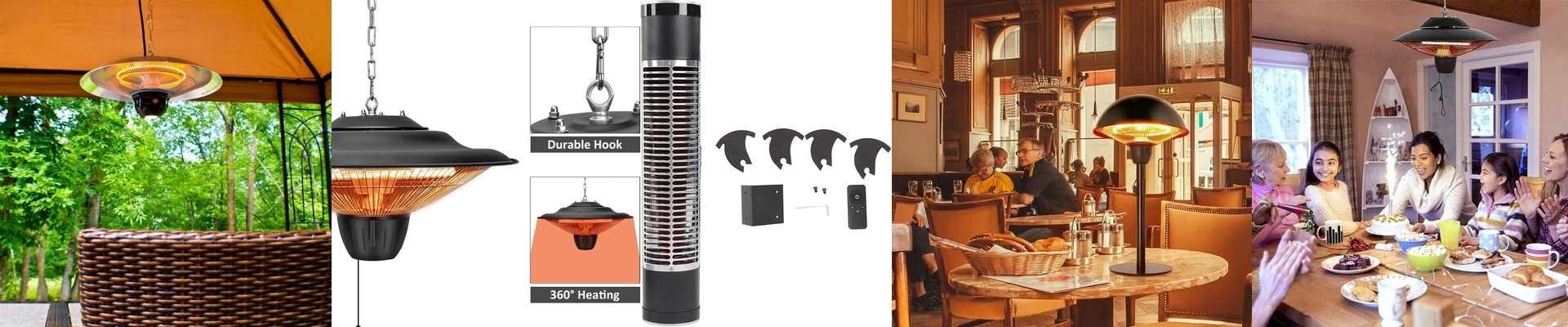
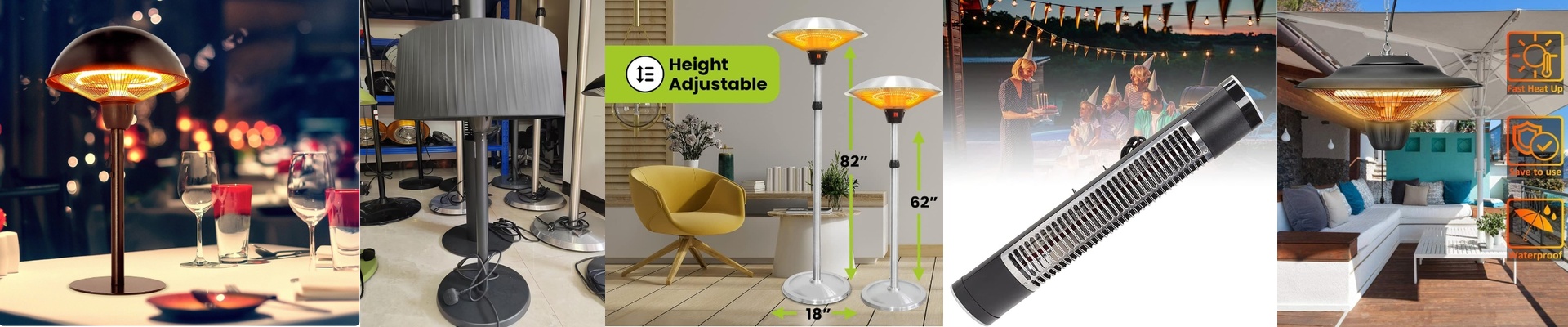

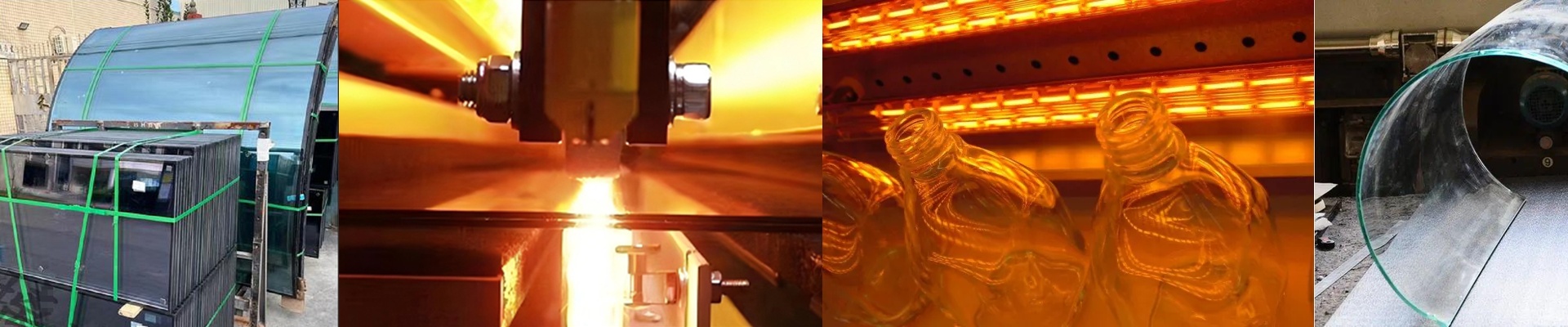
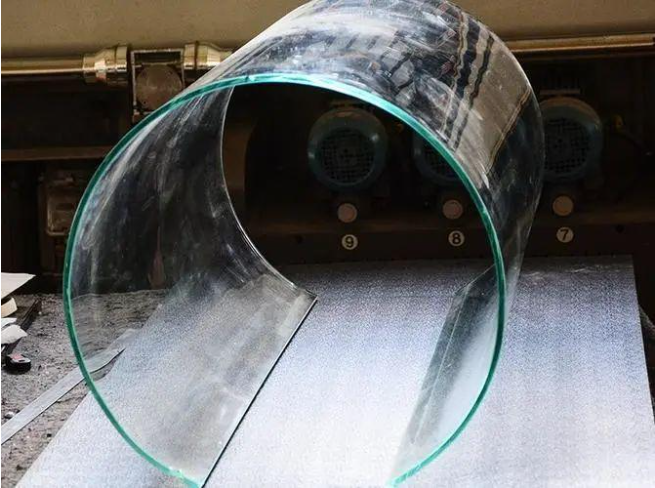
On the tempering line, the preheat is where the whole run gets decided. If the thermal field isn’t even, you’re buying yourself stress fractures, warp, and optical distortion that only show up later as rejects. We built this preheating lamp to put control back where it belongs—in the process—so the heat profile follows the glass, not the other way around. What matters under the hood It uses short-wave infrared quartz emitters to drive energy straight into the glass surface, with very little convection. That gives you a repeatable thermal field across the entire preheat zone. Peak power density is tuned to ramp the glass fast without overshoot, and the emitter layout keeps edge-to-center temperature inside tight tolerance. The system is specced for plant life: fast thermal response, stable output over thousands of cycles, and consistent handling of emissivity across clear, tinted, and coated substrates. Why it plays well in tempering Uniform preheat cuts thermal stress before the quench, and that directly lowers breakage and optical defects. You end up with shorter heating windows, cycle times you can count on, and fewer line stoppages for scrap. The lamp drops in as a replacement for many OEM preheat modules, so you can upgrade without tearing the line apart. Energy use drops because the energy goes into the glass—not into heating air or fixtures. What to watch on install and in daily use Install is straightforward, but alignment is where you earn it. Match the lamp array to the glass width and set the focal distance for the target thickness; if you miss, you’ll see edge shadows and localized cold spots. Keep reflectors clean and keep voltage stable, and the lamp will behave. Expect shorter lamp life at very high duty cycles or in humid environments unless the enclosure is sealed and ventilated as specified. Plan maintenance around your changeovers so the thermal profile stays consistent.