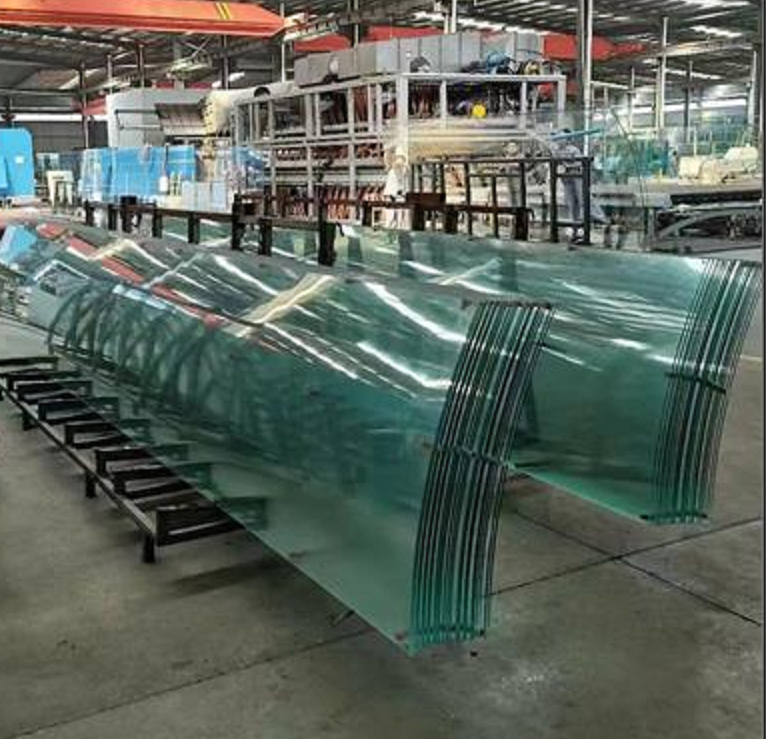
Getting Heat Right in Long Borosilicate Glass Tunnel Kilns
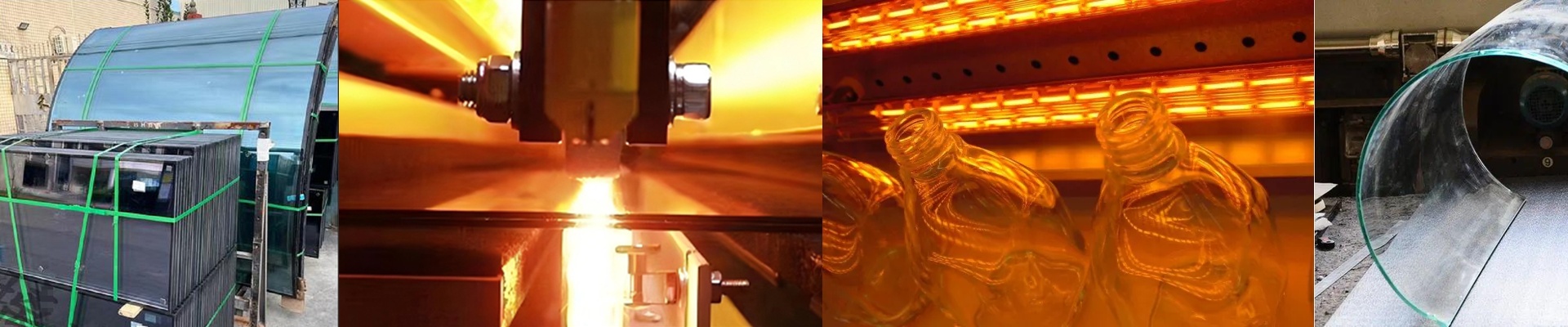
If you’re heating borosilicate glass in a tunnel kiln that stretches past two meters, you know the struggle. You can’t just throw in some standard lamps and hope for the best. That’s a recipe for “cold spots,” and in this business, cold spots mean thermal stress. Which means your glass cracks. Which means you’ve just wasted a lot of time and money. The trick to scaling up When we build these units, we start with the math—specifically, how much wattage you actually need per linear meter based on how thick your glass is. But here’s the thing: for anything over two meters, you can’t just stretch a single filament. It doesn’t work. Instead, we build modular, continuous layouts. It keeps the heat steady from the moment the glass goes in until it comes out. We also make sure the voltage and wattage play nice with your power grid. Nobody wants the end of their kiln running cold just because of a voltage drop. The nitty-gritty on materials We stick with high-purity quartz tubes because they can handle the heat without warping. To get that solid strip of warmth, we pack the lamps in a tight-pitch arrangement. Depending on what you need, you can go with shortwave if you need the heat to hit fast, or medium-wave if you’re looking for a slower, deeper soak. And because these things live in a brutal environment, we use industrial-grade connectors. If you’re running your line 24/7, we’ll use reinforced leads. It stops those annoying burnouts at the connection points that bring everything to a grinding halt. Making it work in the real world This setup gets rid of those annoying temperature gaps you get with staggered lamps. Plus, it cleans up your floor space since you don’t need a mountain of individual controllers. Just a heads-up, though: pushing that much power through a long array creates a ton of ambient heat. You’ve got to make sure your cooling jackets and vents are up to the task. If they aren’t, you’ll fry your sockets and kill your quartz tubes way sooner than you should.