

Stop Guessing With Your Glass Annealing
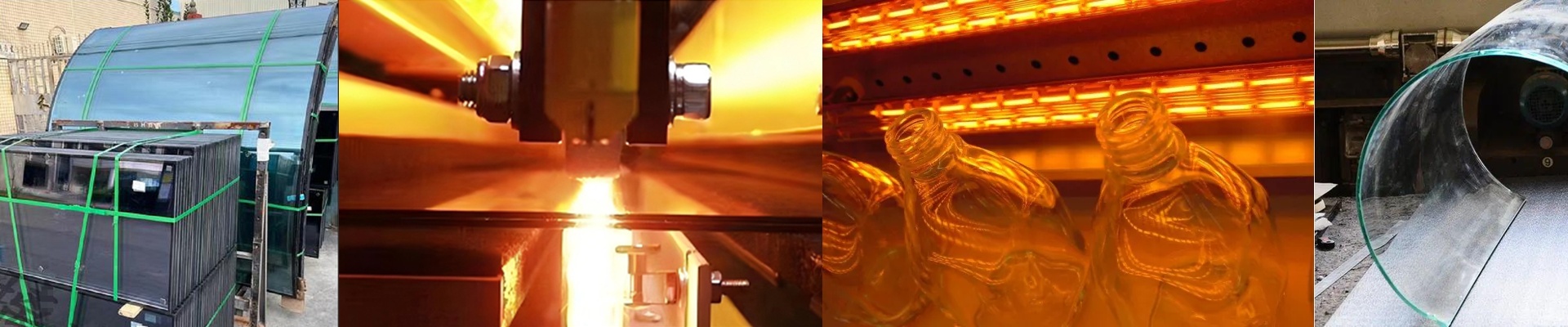
There’s nothing more frustrating than finishing a batch of glass only to realize your thermal profile drifted. You’ve probably been there: the first tray looks perfect, but by the time you hit the last one, things have gone sideways. It’s a headache. We call it batch instability, but really, it’s just a lamp problem. Most infrared lamps aren’t identical. They have these wide tolerances in wattage and spectral output. If you’re mixing lamps with a 5% or 10% difference, you’re basically inviting cold spots into your oven. Those spots create internal stress, and that’s exactly how you end up with cracks or that annoying optical distortion. Getting the heat right The secret to stopping that drift isn’t more heat—it’s tighter tolerances. We focus on IR emitters that are practically twins. When every single tube in the oven puts out the exact same wattage per centimeter, the heat load becomes something you can actually predict. You stop fighting those “hot zones” that force you to slow down your line or, even worse, over-cook the edges of your glass. The gear and the trade-offs For this kind of work, I usually go with shortwave quartz lamps. They punch through the glass surface way faster than medium-wave options, so you can ramp up to your annealing temps quickly. Depending on your voltage drop, you can wire them in series or parallel. But here is the catch: all that high-density heat is brutal on your reflectors. If your gold or aluminum reflectors are pitted or oxidized, it doesn’t matter how consistent your lamps are. The heat just scatters. You’ve got to keep those reflectors spotless if you want a uniform footprint. Consistency over raw power I see engineers try to fix quality issues by just cranking up the wattage all the time. Don’t do that. Over-powering a lamp to make up for a weak neighbor just creates thermal gradients. It’s like trying to level a table by adding more wood to one leg; you’re just making it wobblier. When your lamps are consistent, you can run your oven right up to the material’s limit without worrying about deformation. It turns your oven into a reliable tool. No more guessing games.