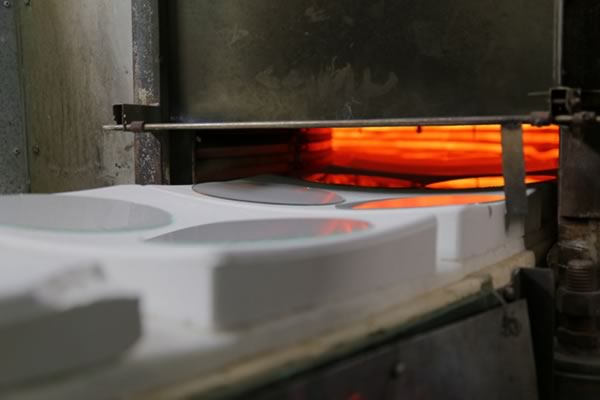
Stopping Glass from Shattering During Bending
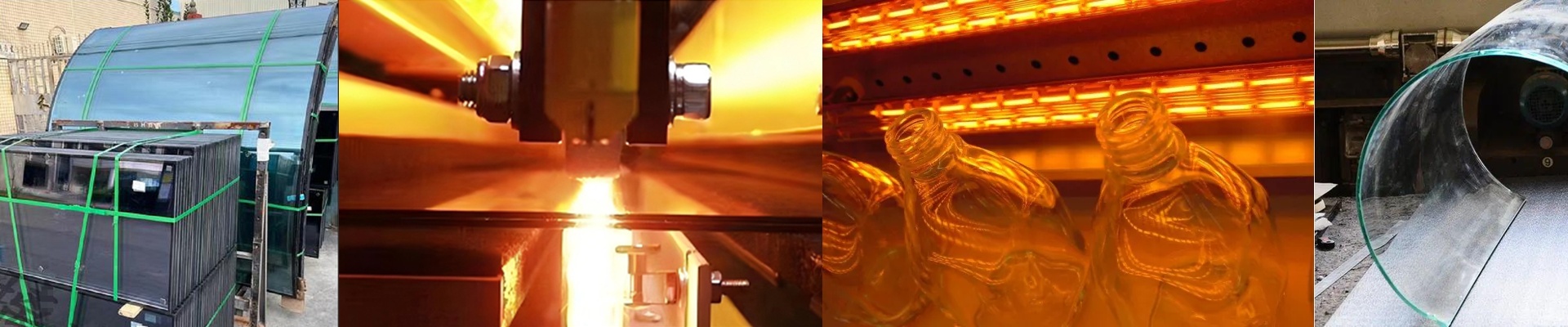
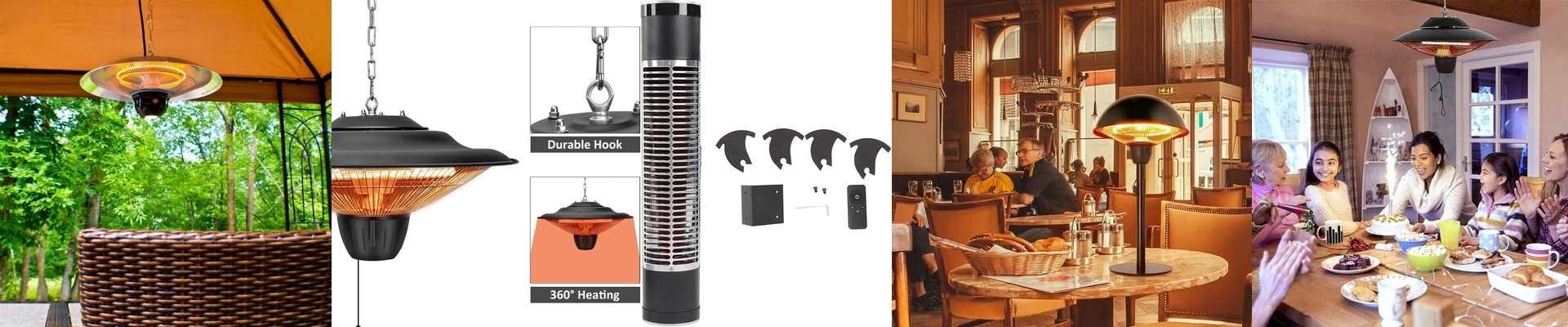
There is nothing worse than watching a piece of glass crack right as you’re hitting your soak temperature. It’s frustrating, it’s wasteful, and it usually happens because the temperature shifted too fast for the material to keep up. When you’re doing precision bending or flash tempering, you’re fighting thermal shock. To win that fight, we lean on shortwave infrared (IR) lamps and high-reflectivity housings to keep the heat exactly where it needs to be. The secret is in the speed. You can’t just set a timer and hope for the best. Slow heating cycles don’t cut it here. That’s why we use thyristor-controlled power supplies. They let you tweak the wattage in milliseconds. Think of it as a dimmer switch on steroids. If the power stays flat, the surface of the glass gets scorched while the core stays cold. That gap—that “delta”—is what makes the glass snap. By ramping the power up and down quickly, the glass expands evenly. No stress, no cracks. Don’t let your heat escape A lamp on its own is actually pretty wasteful; it throws half its energy into the air. To fix that, we use polished aluminum or gold-coated reflectors to bounce that IR radiation right back onto the glass. It tightens the focus. Instead of a general glow, you get a concentrated punch of heat right on the bend line. And the shape matters. We use a parabolic curve so the energy hits the glass at a clean 90-degree angle. This keeps the heat in the workpiece and stops it from leaking into your machine frame. The messy reality of the build Here’s the thing: pushing this much IR energy creates a lot of heat—and not all of it goes into the glass. Your lamp housing is going to get incredibly hot. If you skimp on the cooling fans or water-jackets, your reflector coating will degrade. Once that happens, you get “hot spots,” and you’re right back to square one with cracked glass. One last tip:don’t use standard cabling. Regular wires will literally melt under the radiant load of a bending lamp. Use high-temp leads. Also, keep your focal distance tight for efficiency, but leave just enough breathing room for the air to move.