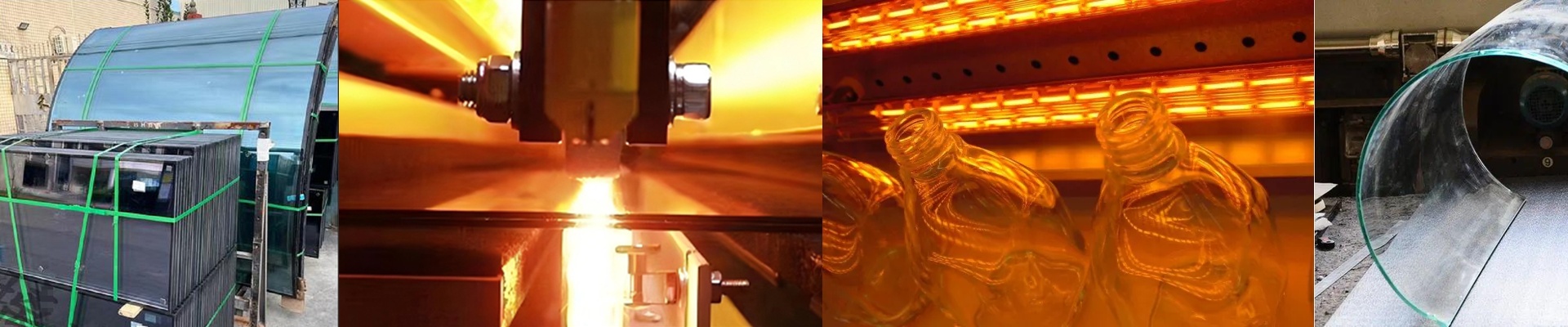
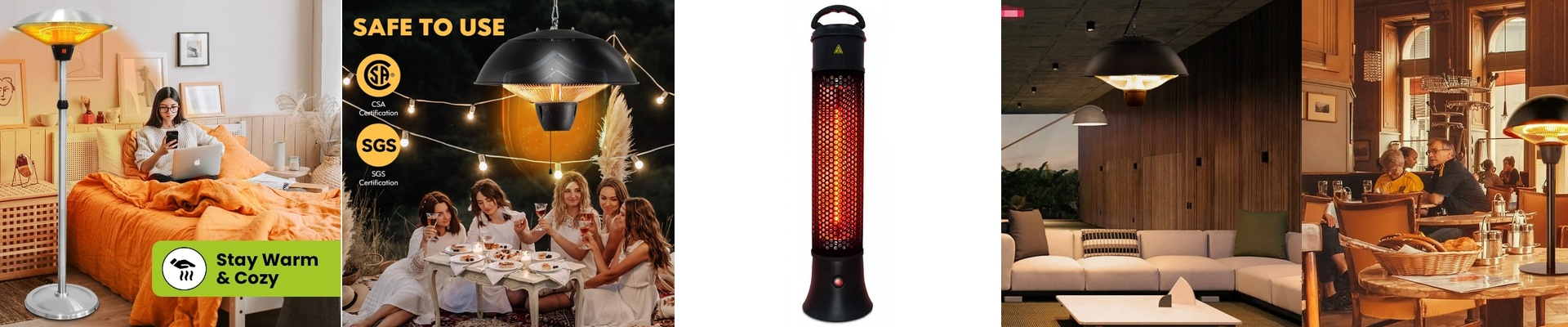
On the shop floor, a score line that doesn’t propagate cleanly isn’t just a defect—it’s scrap, rework, and downtime. Glass score line heating lamps are the frontline fix for consistent separation, and they only pay off when the thermal profile matches the process. What matters under the hood We build the lamp around short-wave NIR quartz emitters, tuned so the glass surface grabs heat fast. That gives you localized heating with minimal conduction into the bulk, so you get a sharp thermal gradient right along the score without soaking the panel. Output is calibrated for repeatable energy density, and the optical layout gives you a narrow, controlled heat band that tracks the wheel score. Power density is sized to line speed, and the emitter array is laid out to keep the thermal field uniform across the width of the score—uniformity is what keeps uneven fracture and micro-cracking from sneaking in. The housing stays compact for tight integration, and the mounting interface is designed to drop into existing brackets, so you can swap a module without reworking the machine. Why this matters in real processes In tempering, the score has to initiate cleanly before quenching; inconsistent heat at the score shows up as edge stress and breakage. In bending, a controlled score prevents tear-out when the glass is conforming to the mold. In coating drying, localized heat cuts pinholes and keeps curing consistent. In lamination—whether you’re running EVA, SGP, or PVB—uniform initiation at the score keeps delamination risk out of the autoclave and saves cycle time. In insulating glass sealing, a repeatable score reduces edge defects that can compromise the secondary seal. In practice, that translates to fewer rejects, fewer jam-ups, and more predictable throughput. We’ve got units running 5,000+ hours with less than 5% output drop, and energy draw is lower than convection-heavy setups because the heat lands exactly where it’s needed. Here’s what you need to get right Installation is straightforward, but alignment is not optional. The lamp has to be positioned so the heat band tracks the score line within ±1 mm; miss that, and you’re asking for uneven heating and ragged edges. Keep the path clear of dust and glass fines—buildup on the quartz emitter window changes emissivity and drifts the profile. You’ll need to tune power and dwell time for glass thickness and tint; low-iron and coated glasses absorb differently. The lamp is tough, but thermal cycling still wears connections and fasteners. Set inspection intervals, keep spare mounting hardware on hand, and verify voltage stability at the terminal.