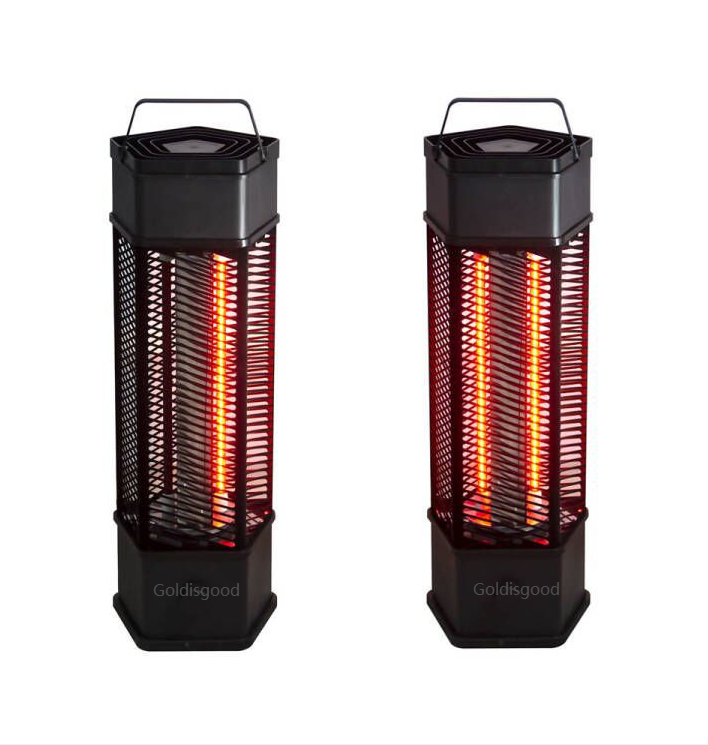
How to pick the right infrared heater for your bathroom
Ever stepped out of a hot shower into a bathroom that feels like a walk-in freezer? It’s the worst. But here’s the thing: getting the heat right isn’t just about buying the most powerful heater you can find. If you go too small, your towels stay damp and the room feels chilly. Go too big, and you’re basically paying to bake your bathroom, creating weird hotspots that make the room feel stuffy. It’s all about finding that sweet spot.
Finding your balance
If you’ve got a tiny bathroom—we’re talking under 4m²—you don’t need a powerhouse. A low-wattage lamp is plenty. In a small space, a massive heater will just overshoot the temperature way too fast. But if your bathroom is larger, you’ll need more muscle. Either go for a higher wattage or add a few more heating elements. And keep an eye on your ceiling. Heat rises. If you’ve got high ceilings or old walls that leak air, you’re going to lose heat faster than usual. In those cases, you’ll want to bump up the wattage just to keep up with the loss.
A better way to install
Here is a pro tip: don’t just put one giant heater in the middle of the room. It’s much better to spread out a few smaller lamps across the ceiling. Why? Because it kills those annoying “cold zones.” You want a warm glow everywhere, not one scorching spot and three freezing corners. Just a heads-up on the electrical side of things. These lamps pull a lot of power. If you cram too many high-wattage units onto one circuit, you’re probably going to trip your breakers. Make sure your wiring can actually handle the load before you start installing.
The “hidden” factors
One thing people usually forget is that the materials in your room actually change how the heat works. Infrared heat hits a surface and reacts. If your bathroom is covered in high-gloss tiles, a lot of that heat just bounces right off. But if you have matte finishes, they soak up the warmth much faster. So, when you’re picking your wattage, don’t just look at the floor plan. Think about what your walls look like too. It makes a bigger difference than you’d think.