Why Fast-Response IR Lamps are the Secret to Great Glass
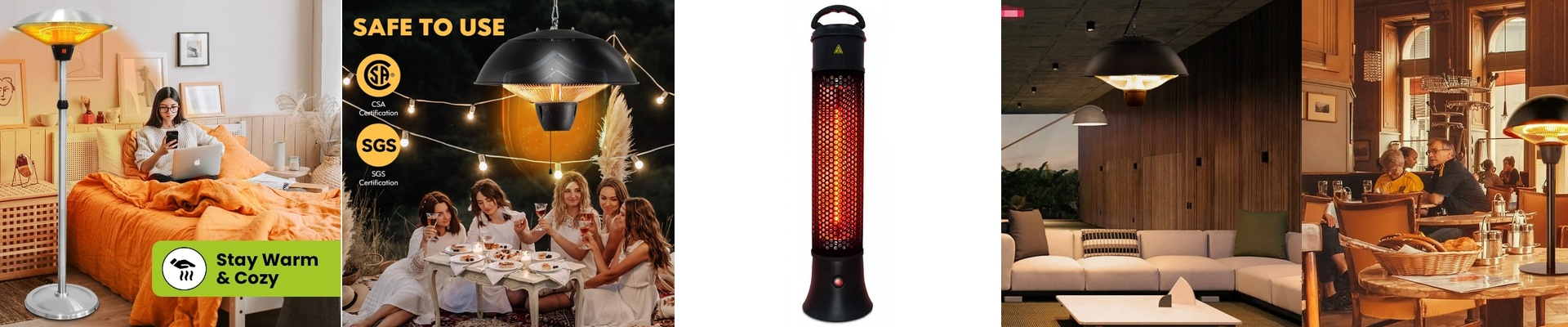
If you’re chasing that perfect, high-gloss glass finish, you know it all comes down to how you handle the heat. The problem is that old-school convection ovens are slow. They’re sluggish. If you’re trying to run a continuous production line, you just can’t afford to wait around for a big oven to warm up the air. That’s why we use shortwave IR lamps. Instead of heating the air around the glass, these lamps shoot energy straight into the surface. It’s a completely different beast. The speed is the real story here. Most heating elements take minutes to get where they need to be. IR lamps? They hit full power in milliseconds. When your glass is flying down a conveyor belt, that speed is everything. It stops those annoying “cold spots” from popping up—the kind of defects that ruin a finish and send a piece straight to the scrap bin. Because we can dial in the wavelength, the heat sinks in just enough to kill the internal stress without warping the whole thing. Keeping the line moving A production line is only as fast as its slowest part. If your heating zones can’t keep up with the belt speed, the whole system crashes. We set these lamps up to blast high-density heat across the entire width of the glass. The best part is that you can wire them into zoned controllers. So, if you’ve got a section of glass that’s a bit thicker than the rest, you don’t have to slow down the whole line. You just crank up the power in that one specific spot and keep moving. The “Gotchas” (What to watch out for) Now, it’s not all magic. High-intensity lamps pull a lot of power. If your voltage isn’t stable, you’re going to burn through filaments way faster than you’d like. And then there’s the heat. I mean real heat. You have to shield your sensors and conveyor supports, or they’ll toast. And please, don’t skimp on the cooling fans for the lamp housings. If you do, the heat soak will fry your control boards before you even realize there’s a problem. But once you’ve got it dialed in? You can ditch those massive, slow ovens for a compact setup that just works. You get a stress-free finish, a consistent product, and a line that actually stays running.