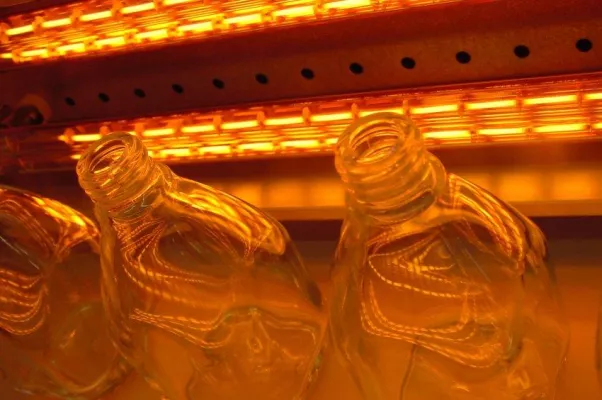
Why Your Glass Bending Heaters Might Be Fighting You
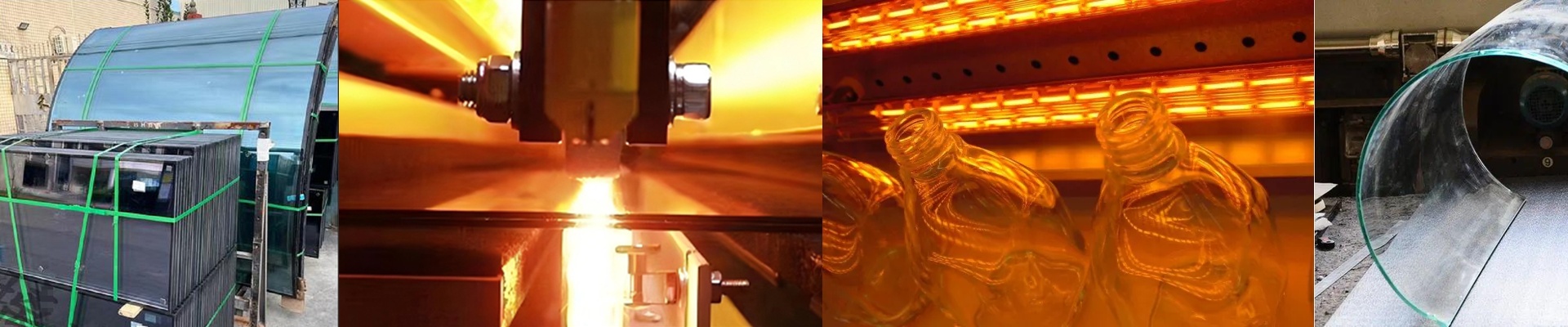
Ever feel like you’re cranking up the heat on your IR lamps, but the glass just isn’t cooperating? You’re pushing the temperature, yet you still end up with uneven heating or—worst case—warped glass that you have to scrap. Here’s the thing: if you’re working with glass that has specific chemical additives, standard lamps often just don’t cut it. The heat literally bounces off the surface because the lamp and the glass aren’t “speaking the same language.” Getting the frequency right It all comes down to physics. We can actually tweak the infrared spectrum to hit the exact frequencies your glass needs. By messing with the filament composition and how we dope the quartz envelope, we shift the emission curve. When that wavelength hits the molecular vibration of your additives, the glass stops resisting and starts absorbing. You get heat that actually penetrates deep into the material, giving you a smooth, uniform temperature across the whole sheet. The honest trade-offs Now, this isn’t a magic wand. Custom specs mean you can’t just grab a part off a shelf. We have to balance the wattage and voltage to keep your heat density where it needs to be while we shift that wavelength. If you want a faster bending cycle, you can push for higher power density, but just keep in mind that your power supply and cooling fans will be working a lot harder. Also, if we go for a super narrow spectral band, you might lose a bit of that raw, broad-spectrum thermal efficiency. It’s a choice between “brute force” heat and precision. Real-world results You’ll notice the biggest difference when you’re dealing with the tricky stuff—low-E or chemically strengthened glass. Instead of blasting the surface and praying you don’t get bubbles, a matched heater lets you warm the core of the glass effectively. We design these to be drop-in replacements for the rigs you already have. Just a heads-up: double-check that your controllers can handle the electrical load of these custom filaments. You don’t want them burning out prematurely because the power draw shifted.