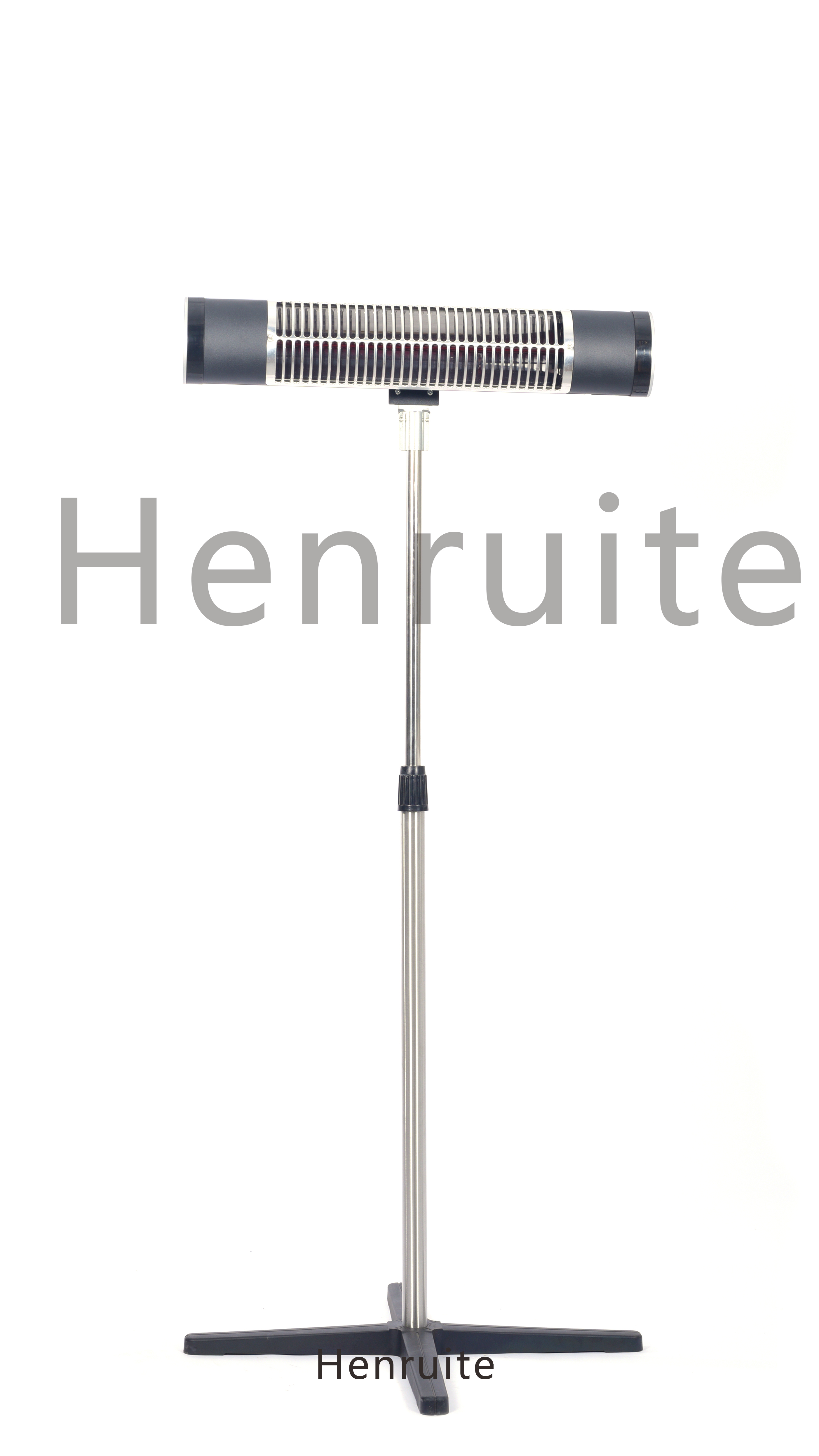
Making Infrared Heat Safe for Little Eyes
When you’re putting together infrared lamps for a nursery or a bathroom, you can’t just blast heat into the room and call it a day. It’s not just about the temperature; it’s about the light. Standard short-wave lamps have this harsh, blinding glare. For an adult, it’s annoying. For a baby? It can actually be dangerous for their eyes. So, we do things a bit differently. Tuning the light We use special coatings and filament materials to scrub out the visible light and those nasty UV rays. Instead of that bright white flash, we push the energy toward the long-wave infrared range. The result is a “soft light” feel. You get all the warmth you need to keep someone cozy, but you aren’t overloading the retina. It feels natural. Gentle. The design side of things We also look at how the light actually moves. Nobody wants a concentrated beam of heat hitting a child in the face. That’s why we use matte or textured reflectors. They scatter the energy, spreading it out into a nice, uniform zone of warmth rather than a spotlight. But here’s the trade-off: when you filter out the visible light, you lose a tiny bit of efficiency. To make up for that and keep the room feeling just as warm, you might need to bump up the wattage a nudge. A few tips for installation If you’re wiring these into a ceiling grid, watch your height. If they’re too low, the heat gets too intense, no matter how “safe” the spectrum is. Stick to at least 2.2 meters for nurseries. And a quick word of caution on your electrics. These lamps pull a steady, constant current. If you cram too many units into one zone, you’ll end up tripping those cheap breakers. Keep an eye on your circuit load so you don’t end up in the dark.