Getting Your Voltage Right in Glass Annealing
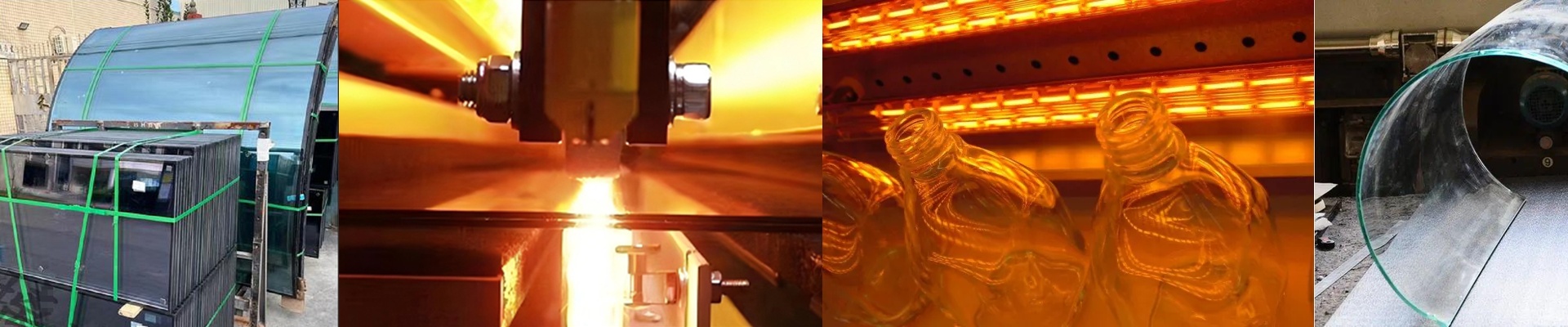
If you’ve ever worked with glass containers, you know the drill. If the thermal profile is off by even a little, you’re left with internal stresses that can ruin a batch. When we build our infrared heating elements, we don’t just look at the wattage on a spec sheet. We look at your actual plant. The wiring, the grid, the reality of where that lamp is going to live.
The Danger of “Off-the-Shelf”
Here’s the thing: standard lamps are a gamble when you’re moving equipment across borders. Imagine plugging a lamp designed for 110V into a 480V or 575V industrial system. It won’t just fail. It’ll burn out instantly. It’s a mess. That’s why we build our elements specifically for those heavy-duty industrial grids. Going with a 480V or 575V setup is just smarter for big operations. You get the wattage you need, but the amperage stays lower. That means you don’t need massive, chunky wiring, and your electrical panels don’t get cooked. Plus, if you’re updating an old lehr, you just need a part that drops right in and matches your transformer perfectly. No guesswork.
Heat, Quartz, and the Trade-offs
We use high-purity quartz for the envelopes. Why? Because the heat needs to actually get into the glass, not just bounce around. These things are built to run 24/7 without taking a break. But there’s a catch. When you push high voltage and high wattage, you get incredible heat density. Your ramp-up times are fast. Really fast. But all that power puts a lot of stress on the socket connectors. If your cooling fans aren’t up to the task, the heat will build up around the ends of the lamp and the seals will give out way too soon.
Making it Work in Your Shop
We offer a handful of connector options so these actually fit your current layout. Whether you’re on a North American 480V line or one of those specialized 575V grids in Canada, we wind the element to hit your target temperature. No flickering. No annoying voltage drops. You just wire it up, dial in your controllers, and the lamp holds that soaking temperature steady across the whole tube. Simple.