



Stop Your Glass From Cracking: A Guide to Thermal Shock
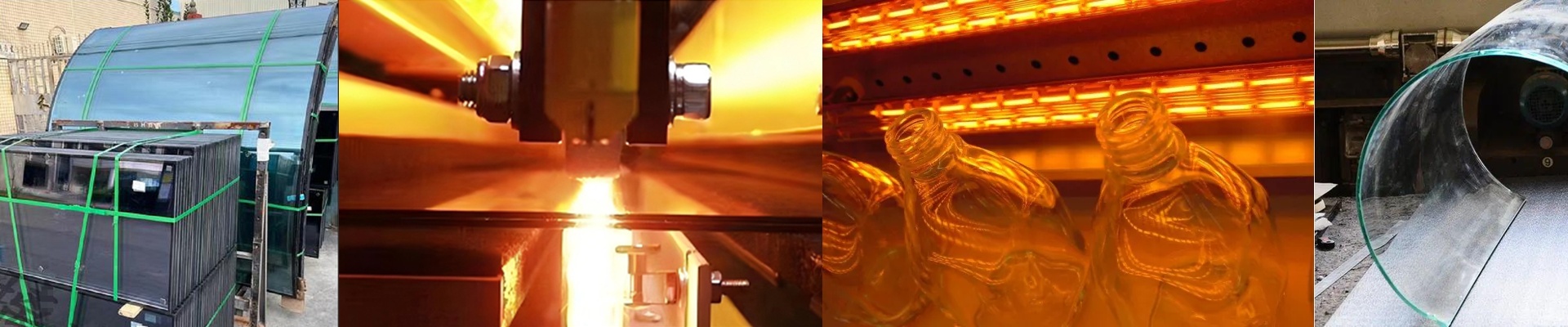
If you’ve ever run a glass inspection line, you know the nightmare of seeing a container just… snap. It happens in a heartbeat. One sudden drop in temperature and you’ve got a fracture. To stop that from happening, we use short-wave IR lamps. Think of it as a quick “warm hug” for the glass. By hitting the surface with instant heat, we keep the temperature steady so the glass doesn’t freak out when it moves to the next stage of the line.
Why Speed is Everything
You can’t use those old, slow heating elements here. They just can’t keep up. We use high-wattage halogen emitters paired with SCR power controllers. Why? Because they can pivot in milliseconds. It’s incredibly fast. Here is why that matters: your line speed changes. The thickness of your glass changes. If the conveyor slows down for a second and your heat stays at 100%, you’ll actually “burn” the glass. That creates its own kind of stress, which is just as bad as the cold. With this setup, the power drops the moment the glass slows down. Simple.
The Gear We Use
We stick with quartz-halogen tech. It’s the best way to get the heat to actually penetrate the glass rather than just bouncing off the surface. Since inspection tunnels are usually cramped, these lamps have a tiny footprint. We also use standard R7s or Sk15 connectors. I’ve found that when a lamp finally goes, you want to be able to swap it out in seconds, not spend an hour wrestling with proprietary parts. One pro tip: use gold-coated reflectors. They push almost every bit of IR energy straight into the container where it belongs.
The Trade-offs (The “Gotchas”)
Look, high-density IR heating is great, but it’s not free. It puts a real strain on your electrical setup and generates a ton of heat around the housing. If you skimp on your cooling fans or water-jackets, you’re asking for trouble. If the housing gets too hot, your lamp life plummets. You’ll find yourself replacing tubes every few weeks instead of every few months. And for heaven’s sake, use high-temp cabling. There is nothing worse than smelling melting insulation because you used standard wires too close to the emitters.