
Why Consistent IR Lamps Stop the Headache of Batch Drift
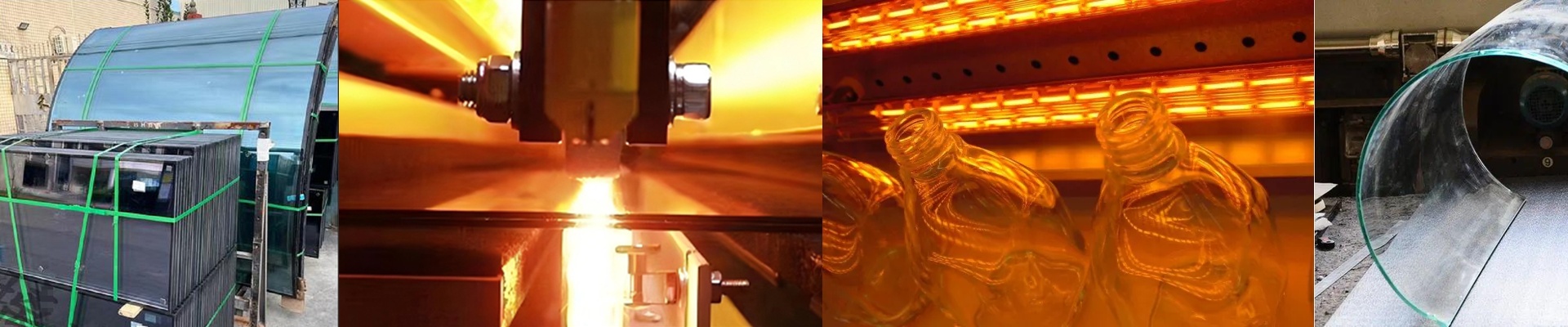
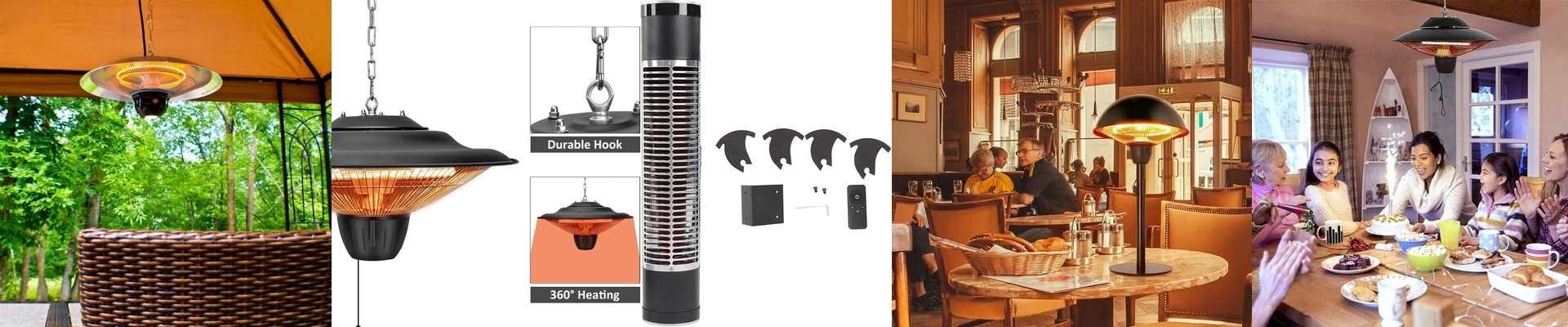
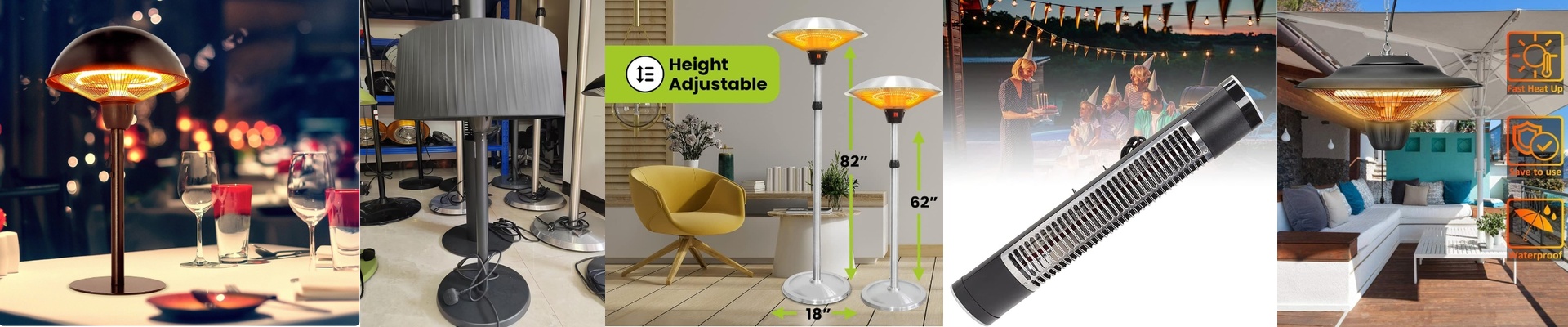
Glass annealing is all about precision, but let’s be honest: it can be a total pain. The biggest nightmare is “drift.” You know the feeling. The first few thousand bottles come out perfect, but by the end of the run, things start sliding. You’re suddenly seeing rejects you didn’t expect. Why? Because IR lamps don’t all age the same way. If one lamp in your bank loses 10% of its punch while the one next to it is still humming along, you get hot spots and cold spots. That uneven heat creates internal stress in the glass. And stress leads to one thing:breakage. Getting the heat right To stop that instability, you need lamps that actually behave. We spend a lot of time obsessing over the spectral output across the entire length of the tube. If a lamp flares in the middle but dips at the ends, you’re just creating a temperature gradient across your bottle. It’s a recipe for disaster. By tightening up how we make the tungsten filament and the quartz envelope, we make sure every single lamp in your furnace puts out the exact same amount of energy. No surprises. Dealing with the heat Now, high-wattage emitters are great because they push glass through the annealing curve fast. But there’s a catch. When you cram more kilowatts into a small space, your hardware feels it. Your lamp holders and wiring start to sweat. If you’re going for a high-output system, just make sure your cooling fans and heat sinks can actually keep up. Otherwise, you’re just waiting for a connector to burn out. What this actually does for your day When your IR array is consistent, your PID controllers can finally do their job. You can stop playing a guessing game—no more cranking up the overall power just to make up for a few dying lamps. Everything stays steady. The stress levels in the glass stay uniform. You get fewer rejects, a predictable cycle, and a lot less stress for everyone on the floor.