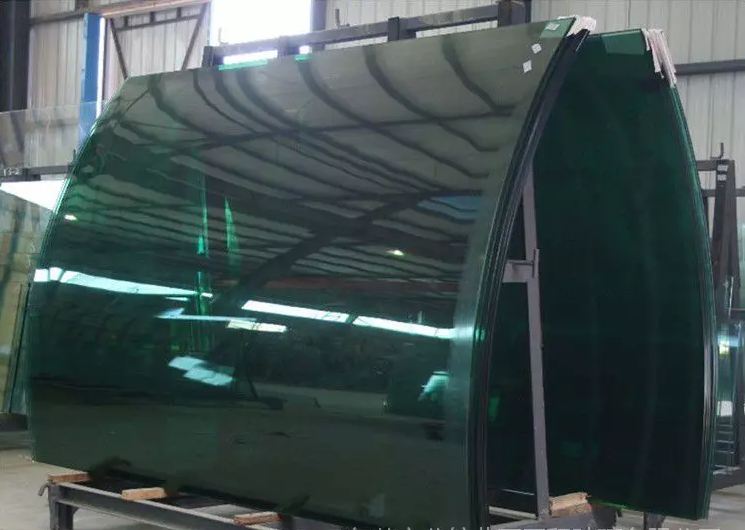
Stop Cracking Your Glass: A Real-World Look at IR Lamps
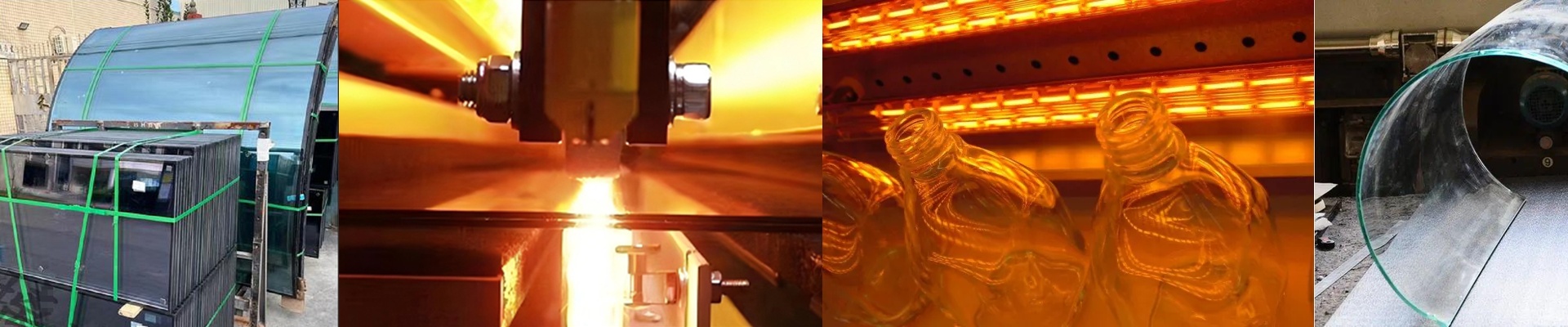
If you’ve ever seen a piece of glassware shatter during tempering, you know that sinking feeling. It usually happens because of thermal shock. Basically, if you hit cold glass with a blast of full power, it can’t handle the stress. It just snaps. To stop that from happening, we use short-wave infrared (IR) lamps in our batch furnaces. The secret is all in how we control the power.
Why IR Beats Standard Heaters
Here’s the thing about old-school resistive elements: they have way too much thermal mass. Once they get hot, they stay hot. Even after you flip the switch, they keep pumping out heat, which makes precise control a nightmare. Short-wave IR lamps are different. The filament hits its target temperature in milliseconds.It’s nearly instant. Because they react so fast, we can pulse the power or use SCR controllers to gently ramp up the heat. You can tweak the wattage on the fly to match exactly where the glass is in its heating cycle. No more guessing.
The Gear That Actually Works
We tend to stick with high-density quartz envelopes and halogen gas fills. The halogen cycle is a lifesaver here—it stops the filament from evaporating, so your wattage stays steady even after thousands of hours of hard use. One detail people often overlook is the connector. Whether you go with R7s or SK15 depends on how much your furnace shakes. You don’t want a lamp rattling loose mid-cycle. And because these tubes are high-wattage, you get that heat density right where you need it—on the surface of the glass. You aren’t wasting time waiting for the entire volume of air in the furnace to warm up.
The Trade-offs (Because Nothing is Perfect)
That speed comes with a catch. These lamps put out an intense amount of localized heat. If your reflectors are slightly off or a cooling fan decides to quit, things get ugly fast. You could end up melting your lamp holders or actually warping the furnace frame. You’ve got to make sure your cooling system can handle the “heat soak” of the environment. My best advice? Don’t just blast the lamps at 100%. Use a stepped power profile. It keeps your cycle times short, but more importantly, it keeps your glass in one piece.