
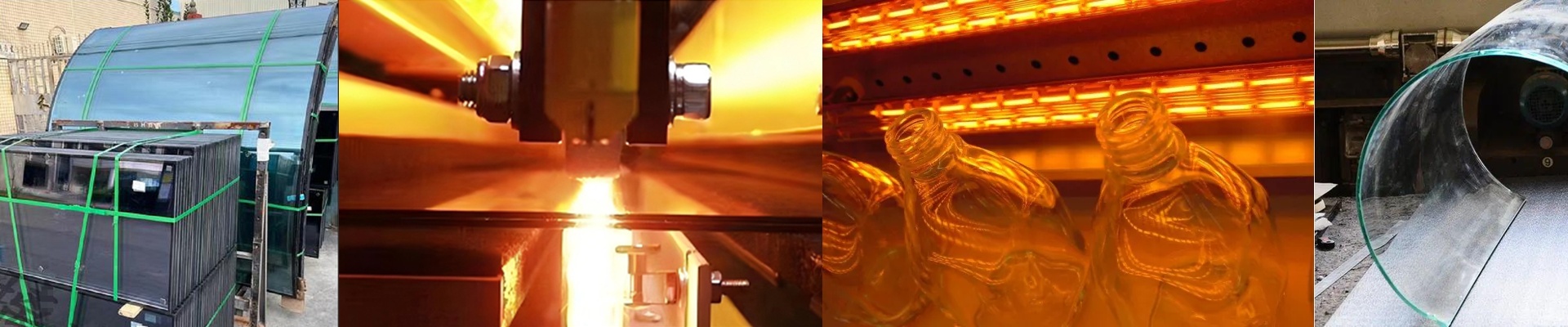



Stop Losing Hours to a Burnt-Out Heating Element
Look, when a heating element dies after five years of non-stop work, the price of the part is the least of your worries. The real killer is the downtime. Every minute your line is sitting still is money leaking out of the business. That’s why we stopped thinking about heaters as permanent fixtures and started treating them like modules. No more tearing apart the whole chassis or spending half a day rewiring things just to get back to work.
Keeping the Gunk Out
Factories are messy. You’ve got grit, oil, and dust flying everywhere, and that stuff loves to find its way into electrical terminals. Once it gets in there, you’re looking at short circuits and premature failures. To fix that, we wrapped everything in an IP65-rated housing. It basically seals the electronics away from the chaos of the shop floor. But the best part? You aren’t wrestling with a handful of loose wires. You just pull the dead unit out and drop a new one in.It’s a simple swap.
The Trade-off: Heat vs. Space
We pushed for high heat density so the whole array takes up less room. It gets the system up to temperature fast, which is great, but it does put some serious stress on the quartz glass and the seals. Here is a pro tip:don’t over-tighten your mounting brackets. Metal expands when it gets hot. If you clamp that module down too tight, the glass doesn’t have anywhere to go and it’ll snap during a thermal cycle. Give it a little breathing room.
Maintenance That Doesn’t Suck
Usually, replacing a fixed element means calling in a technician and waiting for them to spend a few hours on-site. With this setup, any operator on the floor can handle the switch in a few minutes. We used heavy-duty connectors that can take a beating, so they won’t wear out after a couple of swaps. It takes the guesswork out of the day. No “winging it” with custom wiring on the fly. You just swap the module, flip the switch, and get your production line moving again.