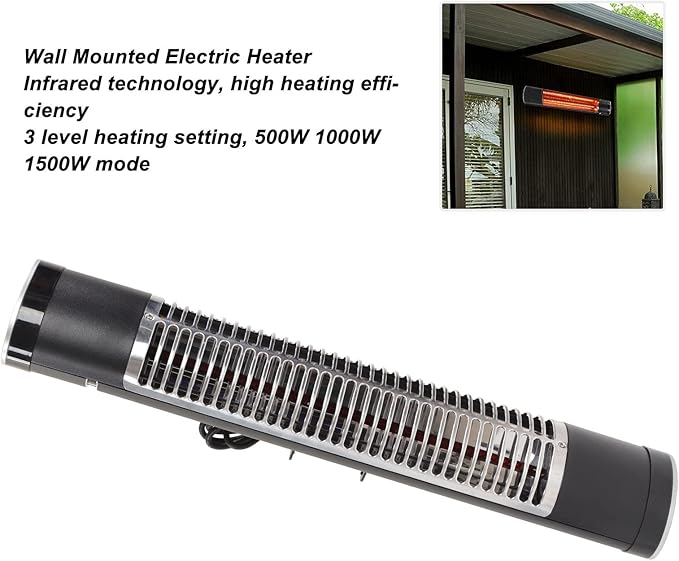
Why You Actually Need Explosion-Proof Quartz in Your Bathroom
Let’s be honest: bathrooms are a nightmare for heating lamps. You’ve got steam everywhere, random water splashes, and temperature swings that would make a thermometer dizzy. Standard quartz tubes just can’t hack it. Imagine a red-hot tube getting hit by a single, cold drop of water. Crack. That’s what we call thermal shock. In a bathroom, that’s not just a broken part—it’s a safety disaster you really don’t want to deal with.
The Secret to the Glass
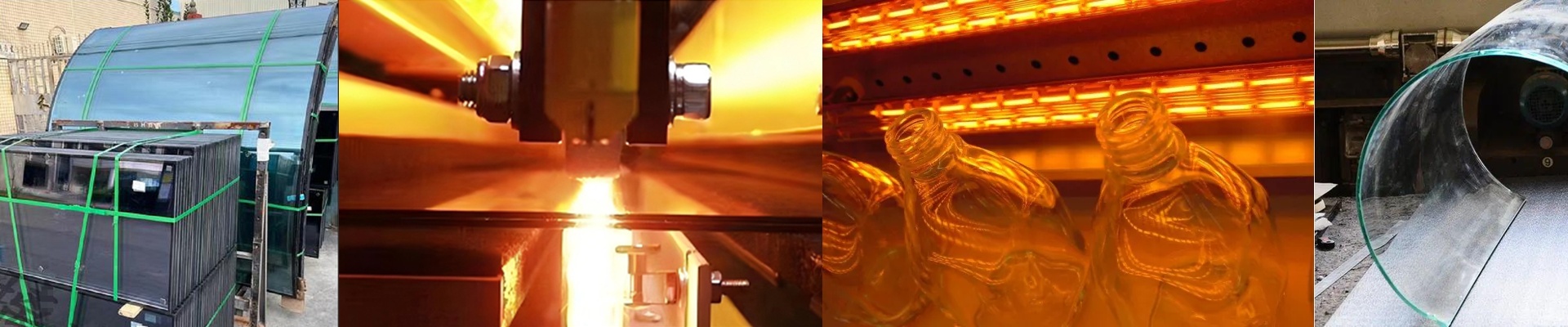
To stop the shattering, we use explosion-proof quartz. Now, it’s not that the glass is just “tougher” like a piece of armor. It’s more about the chemistry. We’ve tweaked the composition so the glass can handle that sudden shrink when water hits it without losing its mind and snapping. Most of these units use short-wave infrared. Instead of wasting time trying to heat up all the chilly air in the room, the energy goes straight to your skin. It feels instant. You turn it on, and you’re warm. Simple.
The Nitty-Gritty Details
When these lamps go into a wall unit, the seal is the most important part. We use high-temp silicone gaskets to keep moisture out of the electrical guts. If a seal leaks, the terminals rust, things start sparking, and your filament burns out way faster than it should. Here is the trade-off, though. Because of those protective coatings, you might lose a tiny bit of raw heat—maybe 5% compared to a bare industrial tube. But honestly? I’ll take a 5% dip in heat over a lamp exploding while I’m in the shower any day of the week.
A Quick Tip on Installation
Before you plug everything in, double-check your circuit. These heaters pull a lot of power the second they click on. If your wiring is too thin, you’ll get voltage drops, and your lamps will die early. Do yourself a favor and run a dedicated line. It’s a bit more work upfront, but it saves you a massive headache later.