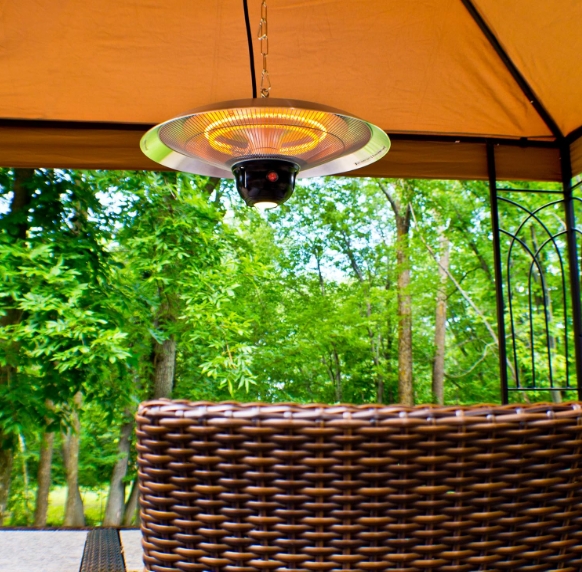
Let’s talk about why those old bathroom heat lamps are disappearing
Ever notice how those old-school bathroom heat lamps always seem to burn out right when you actually need them? It’s not a coincidence. Most of those things are just basic bulbs in a plastic housing. In a steamy bathroom, moisture gets in. It eats away at the sockets and fries the filaments. It’s a losing battle against physics. That’s why we’re seeing everyone move toward high-IP infrared heaters. They’re actually built for the environment they live in.
The secret is in the seal
Most heaters are basically open to the air. But a high-spec infrared unit is built like a vault. We’re talking IP44 ratings—which is just a fancy way of saying “water can’t get in.” We use silicone gaskets and toughened glass to keep the guts of the machine bone-dry. Why? Because if a drop of cold water hits a scorching hot quartz tube, the glass can crack in a heartbeat. A solid seal stops that nightmare from happening.
Feeling the heat (instantly)
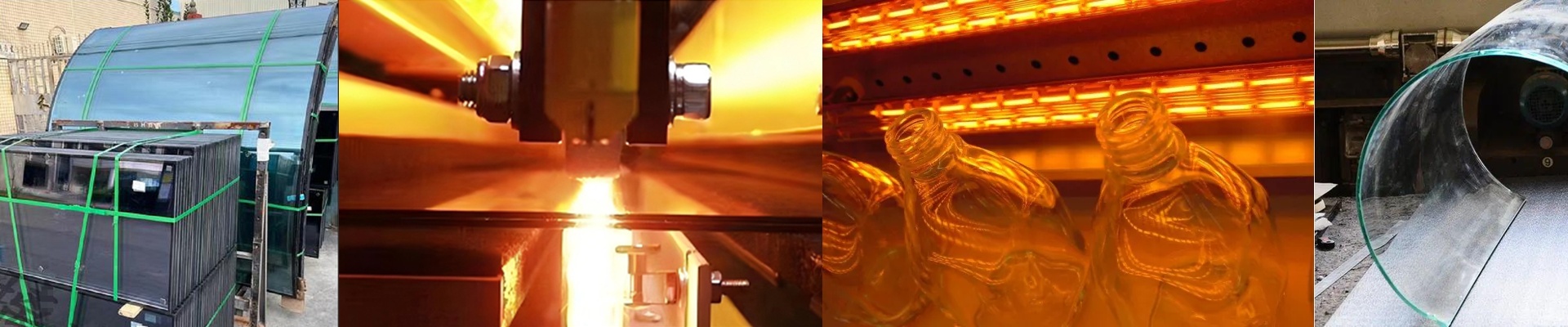
Here is the thing about traditional heaters: they try to warm up the air. But if your bathroom has a draft or a leaky window, that warmth just floats away. You’re still shivering. Infrared is different. It doesn’t care about the air temperature. It sends radiant energy straight to your skin. You feel it the second you flip the switch. We use short-wave emitters because they pack a ton of heat into a tiny space. It makes them a breeze to fit into your ceiling without needing a massive renovation.
The “Gotchas”
Now, it’s not all plug-and-play. You can’t just wire these into your existing light circuit. They pull a lot of power to get that instant heat, so you’ll need a dedicated circuit and the right gauge of wiring. You don’t want your wires overheating behind the drywall. And then there’s the glare. These lamps are bright. Like, really bright. If the reflector is aimed wrong, it’s like staring into the sun while you’re brushing your teeth. Our trick? Recess the mount. It hides the glare from your eyes but beams the heat straight down where you actually want it. It’s a simple setup, but it means the unit can handle years of steam and splashes without giving up on you.