
Why your bathroom heater needs explosion-proof quartz
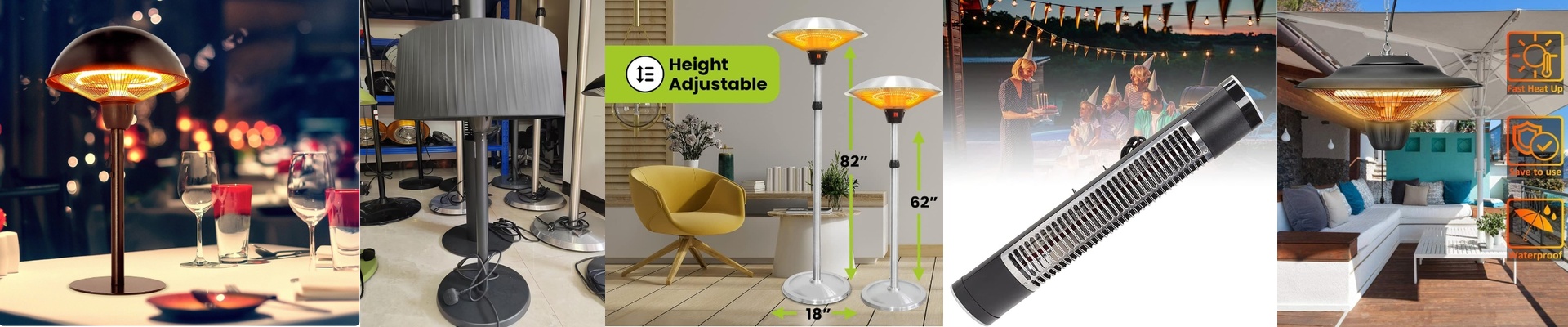
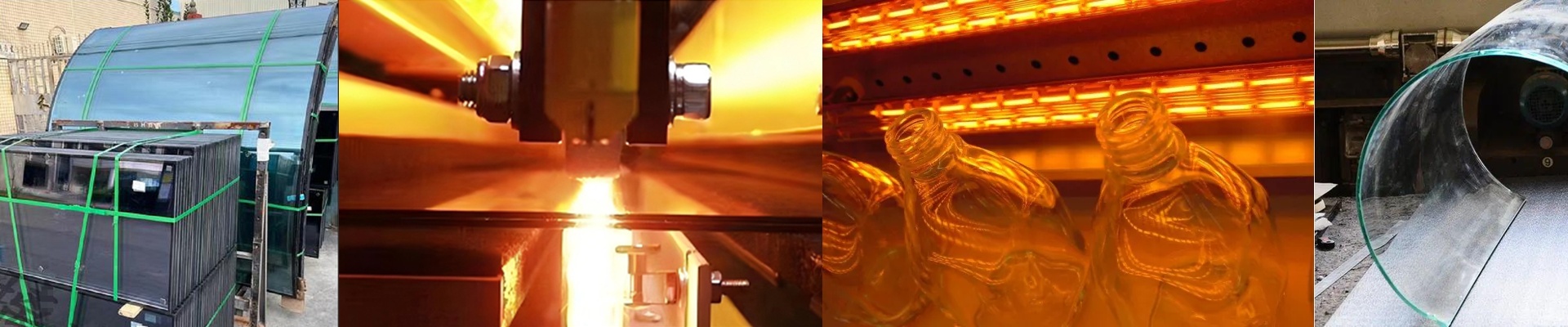
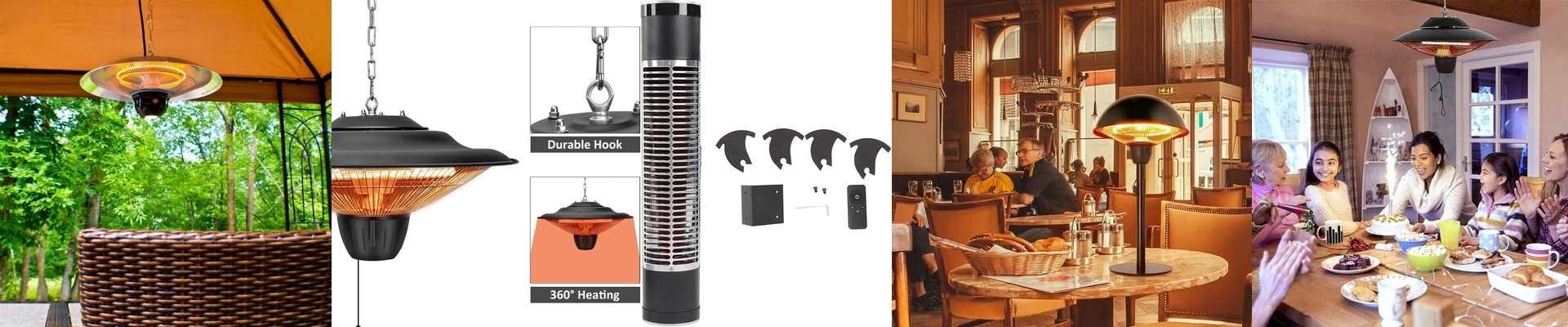
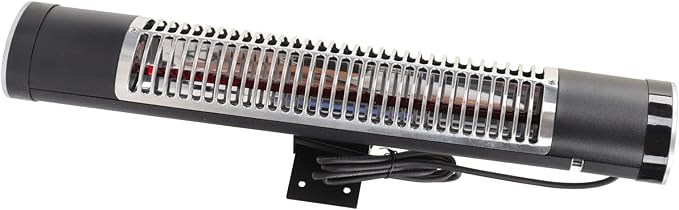
If you’ve ever stepped out of a steaming shower into a freezing bathroom, you know that feeling. It’s brutal. That’s why ceiling infrared heaters are such a lifesaver. But there’s a hidden problem with them: thermal shock. Think about it. You’ve got a heating element running at a blistering temperature, and suddenly, a few cold water droplets splash onto it. Standard glass can’t handle that kind of mood swing. It contracts too fast and—pop—it shatters. That’s where explosion-proof quartz comes in. The secret is in the glass Quartz is just built different. Unlike the cheap glass you find in a soda bottle, quartz doesn’t freak out when the temperature jumps. It barely expands or contracts, so it stays stable even when things get wild. And here is the best part: if the tube ever does fail, it doesn’t explode outward like a grenade. It’s designed to stay contained or just crumble into tiny, dull pieces. It’s all about peace of mind. Instant heat, zero waiting These lamps use shortwave radiation. In plain English? They heat you, not the air around you. It’s the only way to actually feel warm in a drafty bathroom without waiting twenty minutes for the room to heat up. But a quick heads-up on the power side of things. If you put a high-wattage tube in a tiny fixture, it gets incredibly hot. If your home’s wiring is old or too thin for the load, you’re going to trip your breakers. Do yourself a favor and double-check your wire gauge before you hook everything up. A few pro tips for installation The “explosion-proof” label is great, but it isn’t a magic shield. You still need to worry about your IP rating. If water leaks into the electrical terminals, the lamp is toast, no matter how fancy the glass is. Make sure those gaskets are sitting tight. One last thing—and this is the mistake most people make:don’t touch the glass with your bare hands. Your skin has natural oils on it. When those oils hit the quartz and heat up, they create “hot spots.” Those spots weaken the glass and make it fail way sooner than it should. Grab some rubbing alcohol and a clean cloth. Give the tube a quick wipe before you flip the switch, and you’re good to go.