Municipal facilities—community halls, libraries, maintenance shops—run on tight heating budgets. The first cold snap hits, the old boiler or convector struggles, and the monthly energy bill jumps. We’ve watched facility managers wrestle with the same question: how do you keep people comfortable without wrecking the annual budget?
What matters, technically
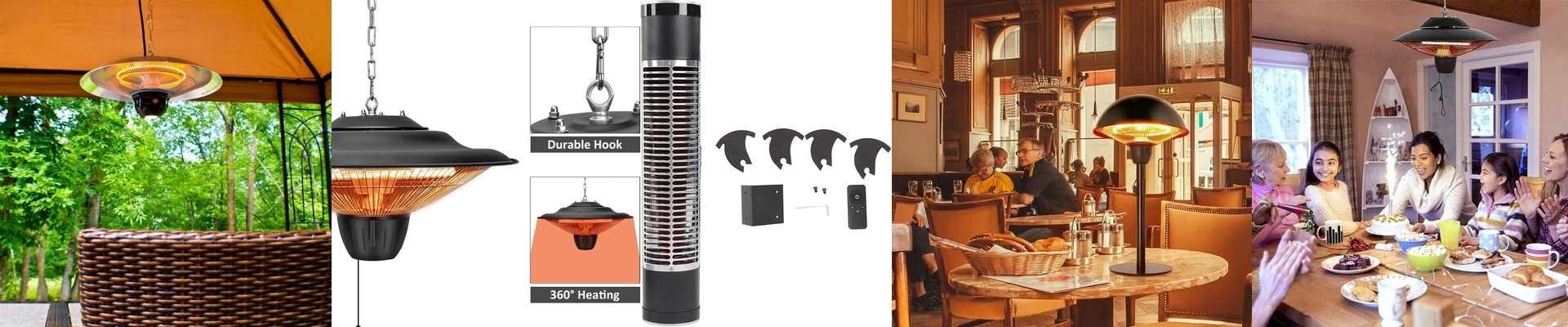
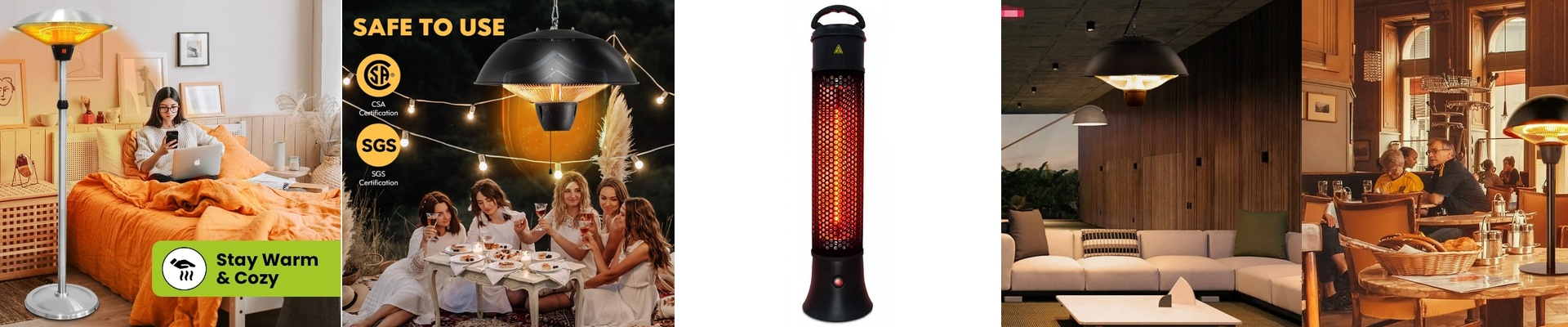
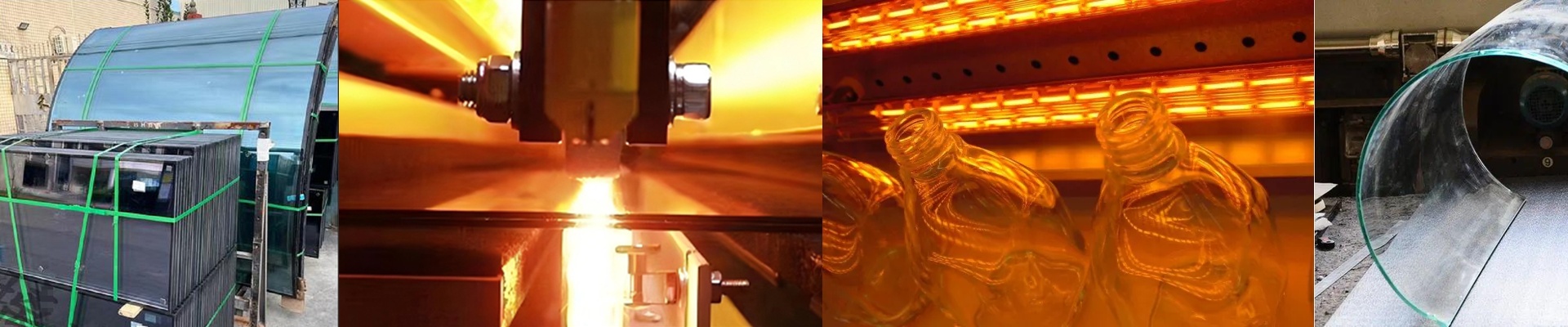
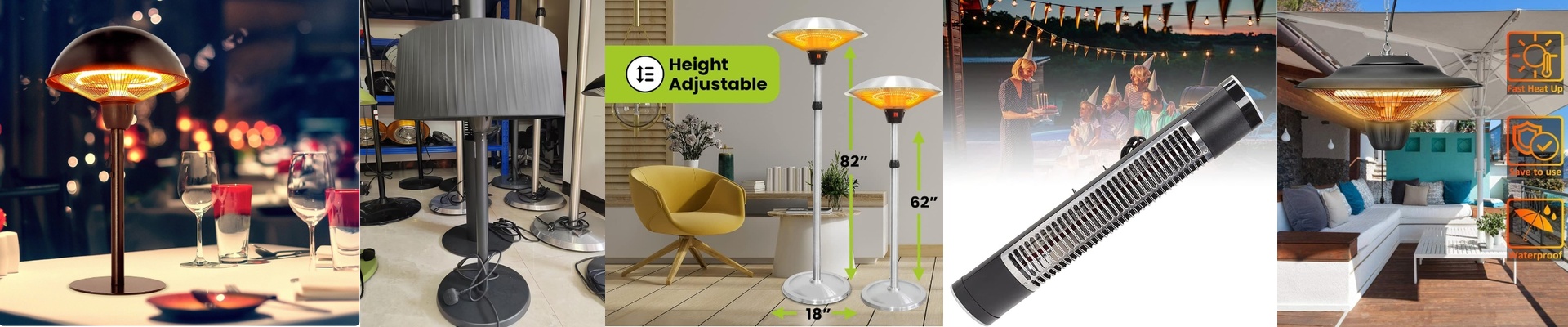
Infrared wall heaters warm by radiation, sending energy straight to people and objects—just like the sun. Inside, a carbon fiber element or quartz tube comes up to temperature in seconds, delivering short- or medium-wave infrared warmth. You get comfort immediately, without waiting for air to circulate. Most units run on standard 230 V, pull 1.5–3 kW, and mount flush to a wall, so you keep floor space clear. Built-in thermostats and tip-over protection keep operation safe, and the IP rating—often IP54—helps keep dust and splashes out.
Why it fits these buildings
Public buildings have high ceilings, drafty doorways, and occupancy that comes and goes. Forced-air systems heat the whole volume, and much of that heat rises and leaks away. Infrared wall heaters put the heat where you need it—at workstations, check-in counters, and entryways. People feel warmth at floor level, so you can run thermostats lower. In practice, facilities that zone with infrared units report double-digit percentage cuts in annual heating energy use. Fewer moving parts mean fewer maintenance calls and longer service intervals—less downtime, fewer parts costs.
The practical details
Infrared warmth is directional, so placement matters. Mount heaters 1.8–2.2 m high, aimed at the primary activity zone, and keep the beam clear. For best results, pair the heater with a simple occupancy sensor or programmable thermostat so you’re not heating empty space. And keep this in mind: infrared heats people and surfaces fast, but rooms with a lot of glazing may still need perimeter heat on the coldest nights. Plan the layout around local climate and how the building is used, and you’ll get steady comfort with an energy footprint you can control.