
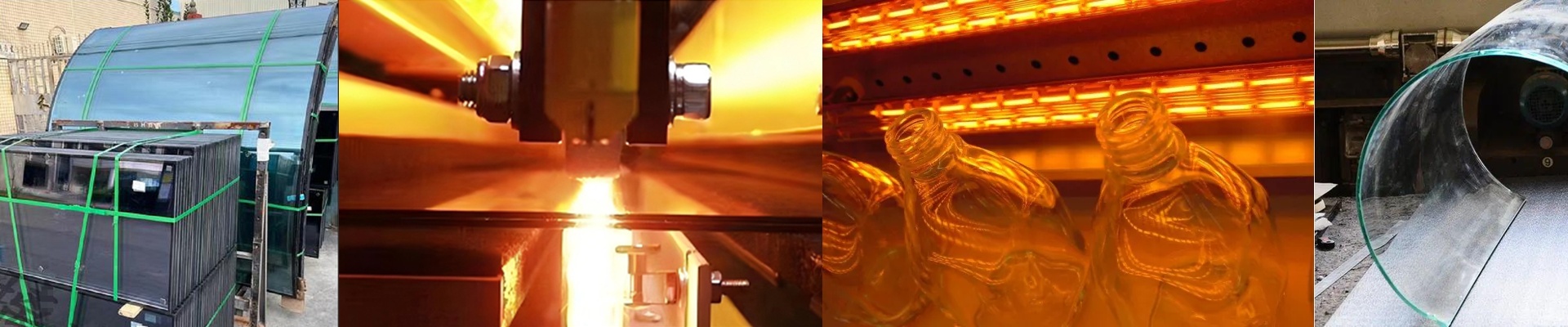
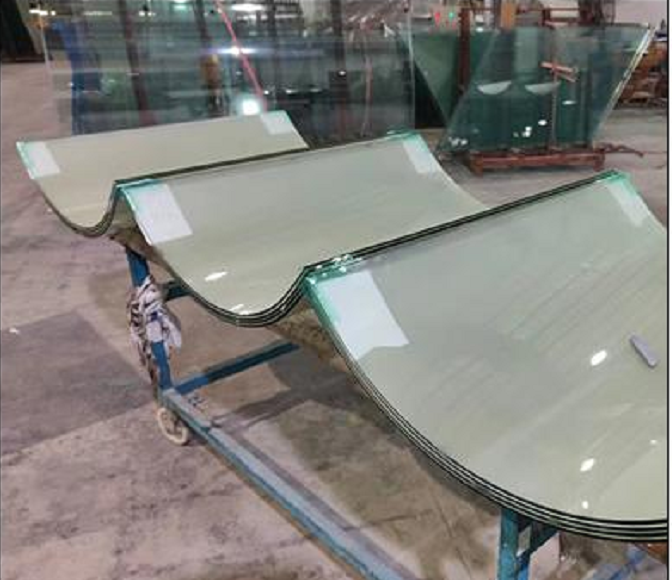
On the line, heat isn’t just a setting—it is the process. When the tempering furnace is hunting for consistent compressive stress, or the lamination press needs fast, uniform tack, uneven heating shows up fast: bow, warp, optical distortion. The 1000W quartz infrared bulb is there to pull that uncertainty out of the equation. What’s actually different under the hood It leans on short-wave infrared from a quartz envelope, so energy goes straight into the glass instead of warming the air around it. The 1000W rating is chosen for industrial duty cycles, giving you high power density with quick response—way faster than convection heating, and far less twitchy around air movement. Quartz also holds emissivity steady, so output stays predictable as the element ages. In practice, that translates to tighter zone control and fewer upsets when you switch thickness or glass type. Why it earns its keep on the floor In tempering, it helps settle the initial heating phase, cutting thermal lag at the edges and keeping quenching more uniform—so you see fewer rejects from uneven stress. In lamination, it brings the plies up to the right tack quickly, shortening press cycle time without cooking the EVA/SGP/PVB interface. The numbers show up where it matters: lower kWh per panel, higher first-pass yield, and fewer stops chasing temperature drift. And because the response stays consistent, maintenance intervals stretch out—fewer spares, less downtime. A few shop-floor realities These bulbs run hot at the surface, so mounting hardware, clearance, and reflector alignment have to match the machine design. Double-check voltage, connector type, and fixture compatibility before you swap one in. Treat them like a controlled consumable—plan replacement windows, keep spares on hand, and you’ll avoid the unplanned stop that kills throughput.