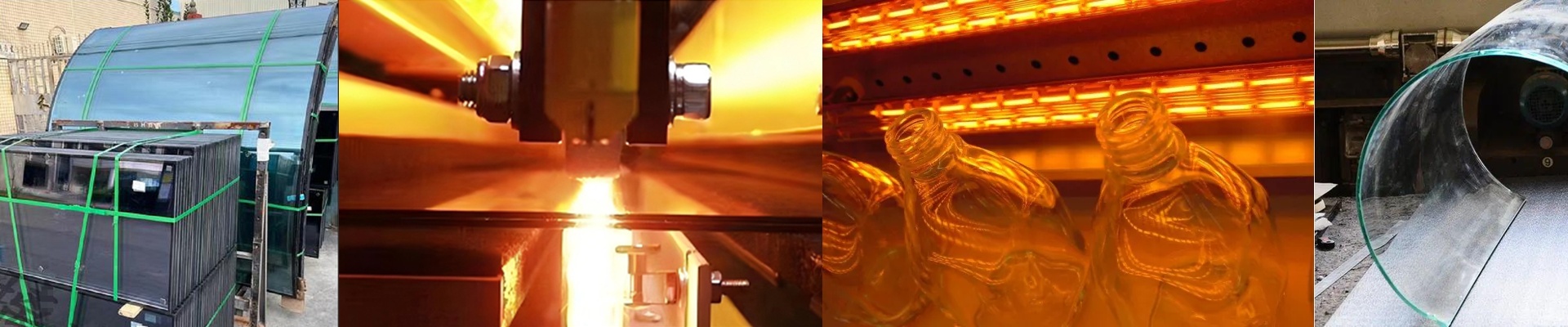
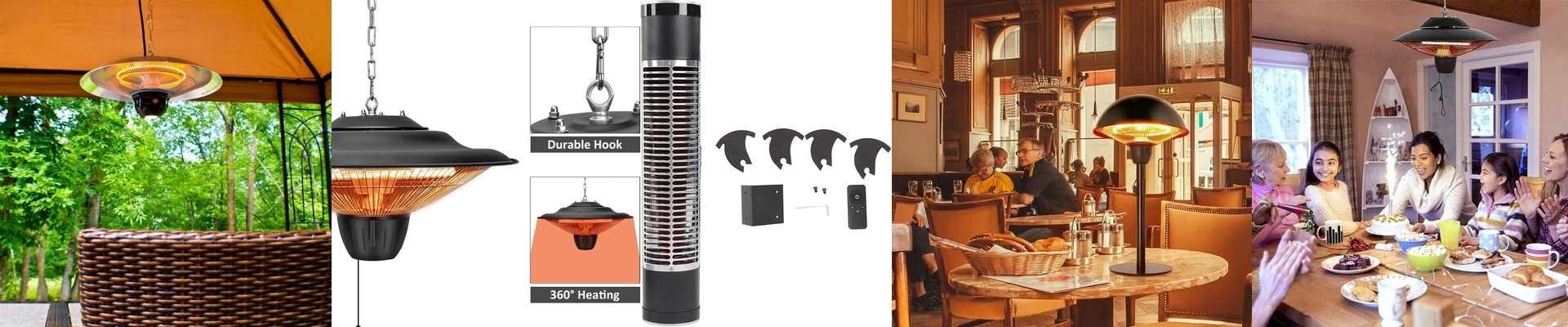
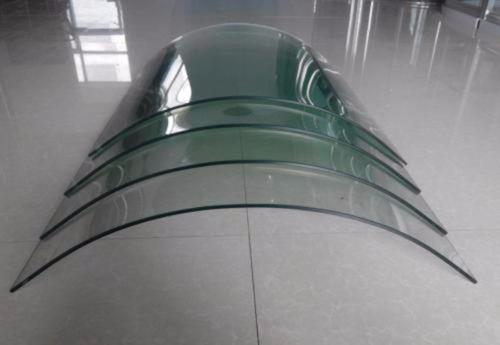
Our handheld glass drying lights were built for one thing: hitting specialty fire-resistant glass coatings with serious, deep-layer heat. The kind of heat that makes standard hot air or convection ovens feel like they’re missing the point. These coatings need intense, focused energy to cross-link properly, and that’s exactly what we designed this tool to give you—direct, controllable power right where you need it.
Let’s talk about the power behind it
At the heart of this system is a shortwave infrared halogen tube, built to run on high voltage. We’re talking 400V input driving a high-wattage element, all packed into a 300mm length. That combo creates extreme heat density right on the surface, pushing temperatures far beyond what standard drying lamps can manage. It’s simple physics: more voltage across a set resistance equals more wattage per square inch. And what that means for you? Faster ramp-up. And the ability to cure the coating all the way through, not just dry the top.
Why we went with halogen
We chose a quartz halogen element because it can handle the shock of rapid on/off cycles. The halogen gas inside the tube protects the filament, so it doesn’t burn out quickly—even under constant, heavy use. The lamp uses an R7s connector, an industrial standard that gives you a solid, high-current connection. This isn’t some flimsy consumer plug. It’s built to take the heat and vibration of the factory floor. And the handheld design? It puts the heat source right in your hands, giving you full control. But it also means you need proper safety protocols and PPE—no exceptions.
What this means on the job
If you’re working with fire-resistant glass coatings, this setup is built for the job. The ultra-high temperature output ensures the coating cures fully, hitting the performance specs without overheating the glass itself. The handheld form factor gives you serious flexibility on the line. You can get into tight zones and handle complex geometries that a fixed oven just can’t touch. But here’s the trade-off: with this level of power density, you need a robust electrical supply and careful handling. The lamp delivers the heat—you steer the process to get the result you want.