


Spectrum-Matched Infrared Preheating: The Real Reason It Works for Your Glass
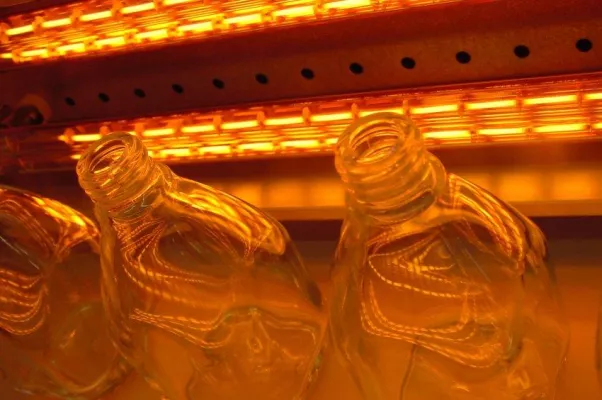
Here’s the thing about heating glass: not all glass soaks up heat the same way. It all comes down to what you’ve added to the mix. So, a one-size-fits-all heater just throws out a wide blast of infrared. It’s wasteful, and it leaves you with uneven temps. We do it differently. We tune the infrared spectrum to match the exact wavelength your glass additive craves. This isn’t some marketing trick. It’s just physics, applied smartly.
What’s Under the Hood: Power, Voltage, and Layout
At the heart of the system is a heavy-duty infrared lamp module. We size the power and voltage to hit the heat density you need for fast preheating. Using a 400V supply packs a lot of punch into a small footprint, so you get intense heat without needing a giant machine. And the lamp length? It’s matched perfectly to the heating zone. That means even heating across the whole glass sheet, with no hot spots at the edges. It keeps your production line moving at a steady pace.
The Materials Make the Difference: Quartz, Coating, and a Smart Connection
The lamp tube is made of quartz. It’s tough, handles sudden temperature swings, and lets infrared energy pass right through. The coating on the surface is tuned to shape the energy, focusing it right where your glass absorbs it best. This makes the whole process more efficient, so you hit your target temperature faster. Then there’s the R7s connector. It’s a practical, industrial-grade choice. It locks in place at both ends, handles high heat, makes swapping lamps quick, and keeps everything aligned perfectly. You wire it up, set the distance, and you’re set. The geometry stays consistent, shift after shift.
On the Production Floor: Where It All Comes Together
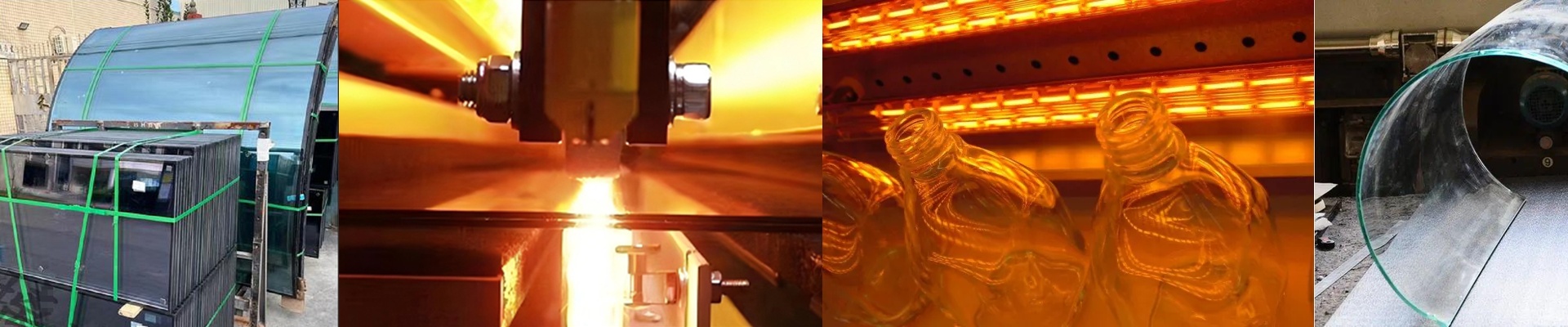
On glass forming and tempering lines, consistent preheating is everything. When the spectrum matches your glass chemistry, the system heats faster and more evenly. The payoff? You use less energy per part, get tighter control over the temperature, and see fewer rejects caused by thermal stress. Now, the trade-off is that high heat density needs a solid cooling and ventilation setup. Get that right, and this system becomes a reliable workhorse you can count on, day in and day out.