Keeping Things Warm (And Safe) in Wet Zones
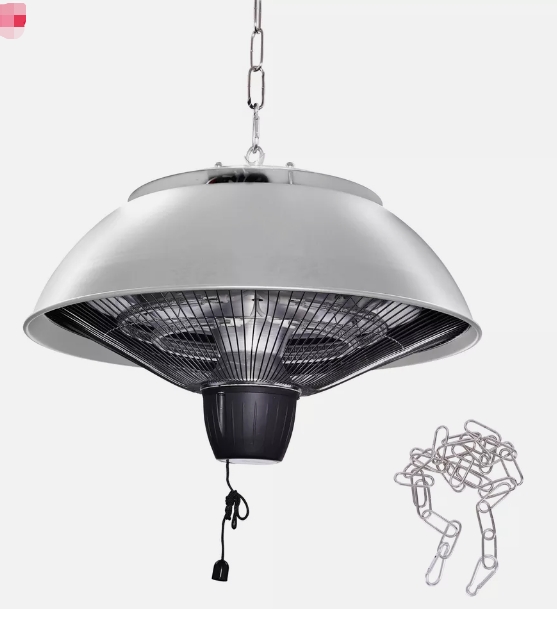
When you’re putting a heater in a shower or a damp outdoor spot, you’re dealing with more than just a chill. You’re fighting a constant battle against water and temperature swings. The biggest nightmare? A shattered heating tube. It’s the most common way these things fail. To stop that from happening, we stick with IP65-rated housings and explosion-proof quartz tubes.
Why tubes crack
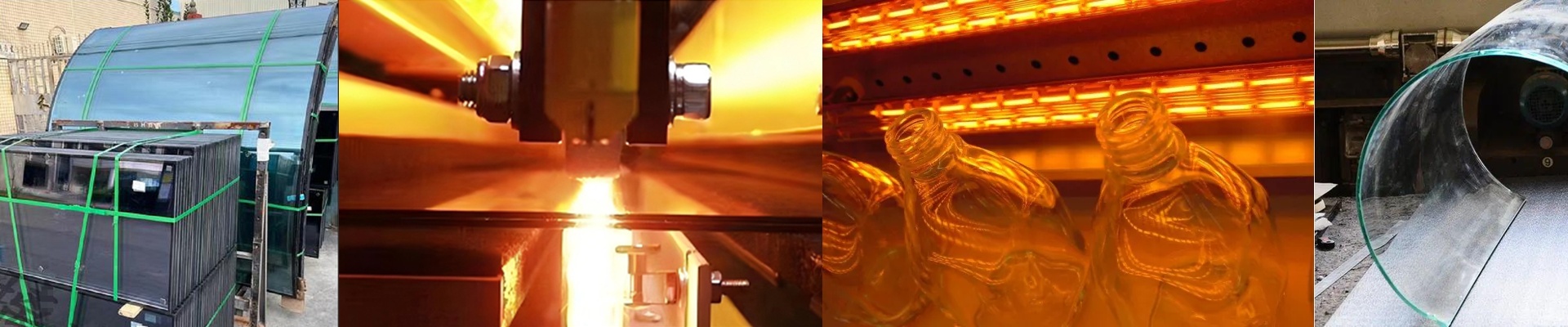
Here is the deal: if a cold drop of water hits a quartz tube that’s glowing at several hundred degrees, the glass panics. It contracts too fast, it stresses out, and then—snap. In a bathroom, a broken tube isn’t just a pain to replace. It’s a dangerous electrical mess. That’s why we use explosion-proof quartz. It’s built to handle those wild temperature jumps without cracking. It keeps the internal filament tucked away and safe, even when things get steamy.
Dealing with the damp
You’ll see “IP65” on the spec sheet. In plain English, that just means the unit is tight enough to keep out dust and handle water jets. We seal the wiring and the chassis tight. Why? Because if steam or a stray spray hits the live terminals, you’ve got a short circuit on your hands. Think of it as a double layer of protection. The enclosure does the heavy lifting by blocking most of the water, and the tube handles the condensation that inevitably sneaks in.
A few things to watch out for
These heaters are great because they give you instant heat. But they gethot. Really hot. Even though the tubes are tough, the outer housing can still sear something if you aren’t careful. You can’t just slap these anywhere. If you put them too close to a plastic fixture or a wooden wall, you’re going to have a bad time. Give yourself at least a 10cm gap from anything that could burn. It’s a small detail, but it’s the difference between a cozy room and a melted wall.