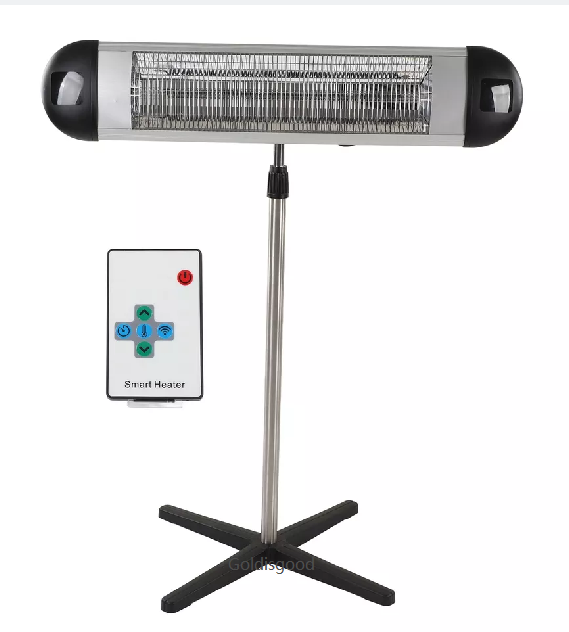
IP55 Protection and Heat That Actually Hits Its Mark
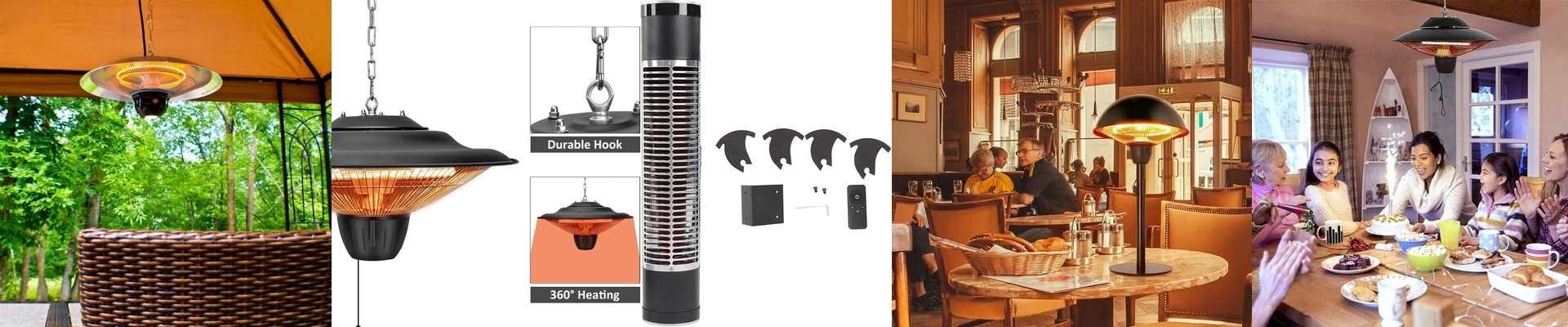
Here’s the thing about bathrooms: they’re basically a spa for water and electricity, and that’s a recipe for trouble. So we built this table heater around an IP55 waterproof rating because, honestly, nothing less would cut it. This isn’t just a number on a box. It means the housing and seals are designed to actually block water jets and keep dust out. So when the air is thick with steam and the surfaces are wet, this thing just keeps humming—where a standard heater would give up. The heart of it is an infrared heating lamp. It doesn’t waste time warming up the air, then losing it. Instead, it delivers direct radiant heat—sending warmth straight to walls, floors, and objects. That means the heat stays where you need it, instead of rising up and vanishing. And your ventilation system doesn’t have to work overtime just to keep up.
The Secret Weapon Against Mold
Radiant heat doesn’t just make the room feel cozy. It actually helps control the environment. By applying steady, radiant heat to surfaces, it lowers the relative humidity right where it matters most. That makes the space far less welcoming to mold and mildew. And we tuned the lamp’s spectrum to deliver strong heat density without over-drying the air to the point you feel uncomfortable. Inside, you’ve got a quartz envelope and a tough halogen element. They keep output stable and handle rapid on/off cycles without throwing a fit. Installation is straightforward, too. The R7s connector lets you slide the lamp in, lock it, and wire it up with the included terminals. It’s a small footprint and an easy drop-in replacement for existing fixtures.
What It Feels Like, and What to Keep in Mind
In real life, this unit throws heat fast. The heat-up is quick, which is perfect when you need spot heating or you’re trying to condition surfaces. The waterproof build uses sealed joints and gaskets to keep that IP55 protection intact. So you can put it in shower zones, sauna entries, or utility baths without losing sleep over splashes. Now, there is a trade-off. That kind of heat density means the lamp runs hot, so localized mounting needs proper clearance. Plan your distance and make sure the surrounding materials can handle the temperature. Think of the lamp as part of a system. Pair it with the right thermal protection and ventilation, and you get safe, steady performance. For anyone doing the integration, it comes down to this: it’s simple to fit, tough enough for wet areas, and purpose-built to reduce surface moisture and keep mold from getting a foothold—thanks to targeted infrared heating.