
Engineering Total Electrical Safety: The Infrared Halogen Towel Rail Heater for Damp Environments
Let’s get real about heating a towel rail in the bathroom. A spec sheet only tells you half the story. The other half? Actually making something that can survive day after day in a 100% humid environment without throwing in the towel. We built our infrared halogen heaters to do one thing: keep working, even when moisture is your constant companion.
Power, Voltage, and Footprint
We designed these heaters to run hard, straight out of the box. Standard setups run on 230V or 400V, pushing out 2500W from a tube that’s just 300mm long. That’s a lot of heat packed into a small space. The payoff? It heats up fast, and it doesn’t take up much room on the rail. But that power comes with a catch. That kind of energy density puts real strain on the parts around it. The wiring junction box and the mounting hardware have to be built for steady, high-temperature duty. Make sure your installation can handle the heat, or you’re just setting yourself up for early failure.
Material and Design: The Secret to Reliability
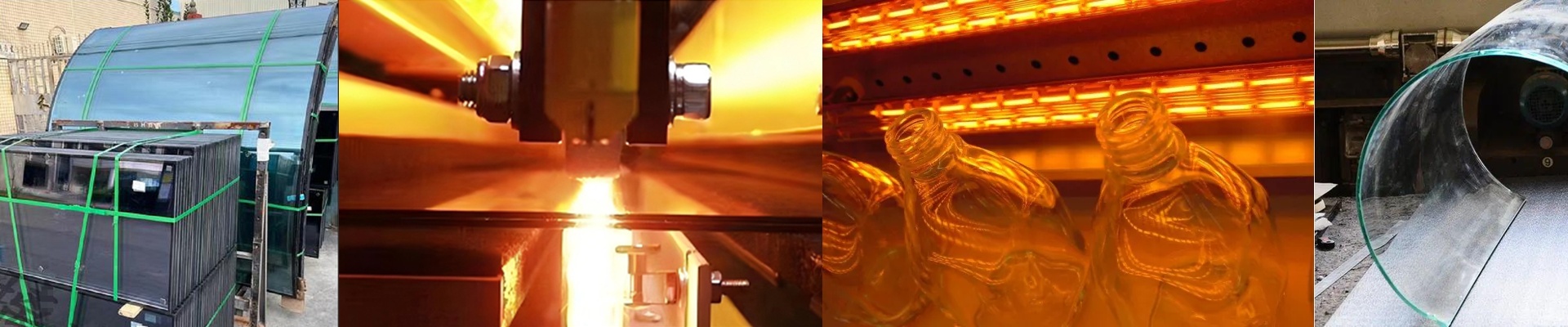
The heart of the safety here is the quartz glass envelope. We use a high-purity quartz tube to hold the halogen filament. Why quartz? It keeps its electrical strength even when it’s wet and under serious heat. Unlike standard glass, it won’t crack or lose its grip on safety when it gets splashed or steamed over. And the R7s connector? Not a random pick. This double-ended, linear contact handles high current, wires up cleanly, and stays stable inside the fixture. It’s made to deal with the vibration and the heating and cooling cycles of a commercial towel rail.
Solving the Damp-Environment Problem
Condensation is just part of bathroom life. Many heating elements short out or corrode when that happens. Our infrared halogen design is sealed from the start. It dries your towel directly with focused heat, while the electrical parts stay isolated. What you get is a tough, drop-in replacement that’s built to meet the safety demands of damp spaces. We’re not leaning on marketing talk. We’re leaning on the physics of quartz and the reliability of the R7s connection to keep the power flowing safely—even when the air is soaking wet.