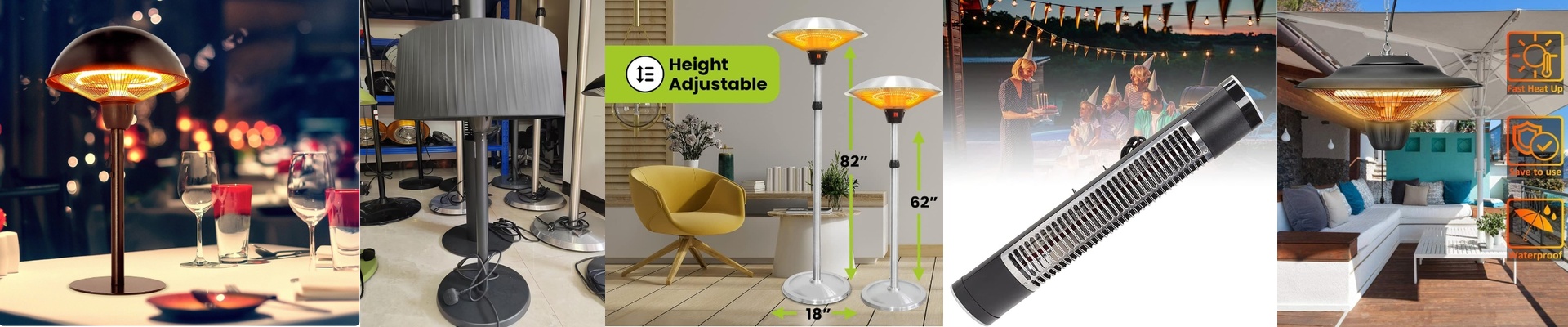
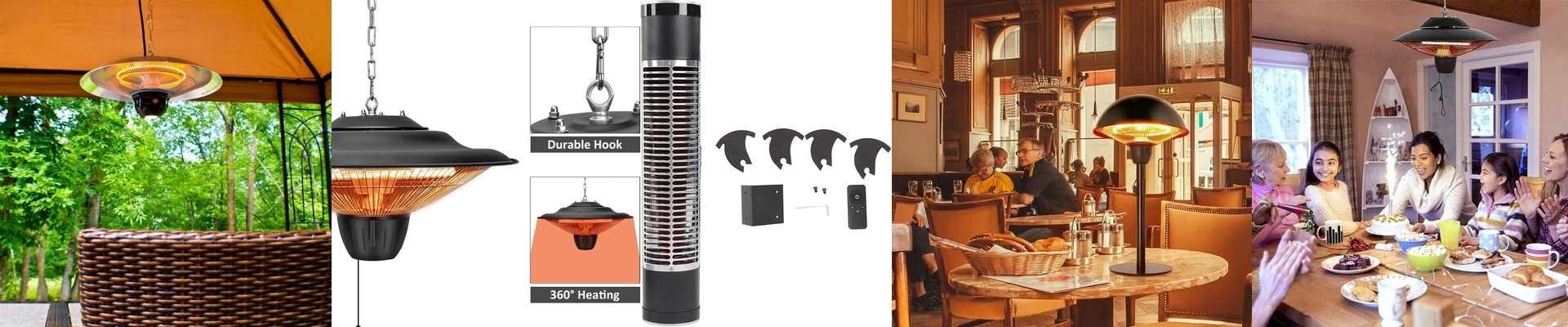
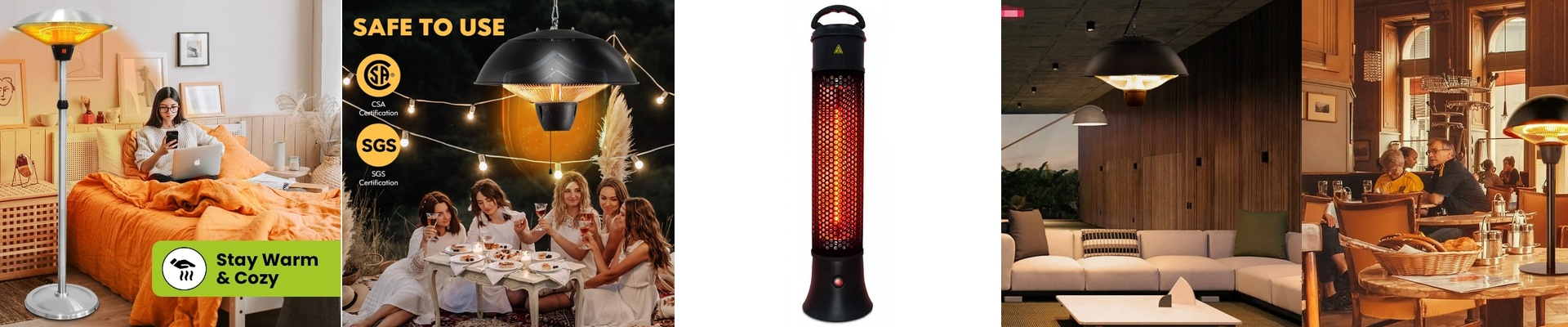
Semi-open commercial corridors are tough on comfort. Drafts come and go with foot traffic, the sun drops fast, and the space can go from fine to freezing in minutes. Miss the heating window and patrons and staff are shivering. Overshoot it, and you’re paying for heat nobody’s using.
What’s actually under the hood
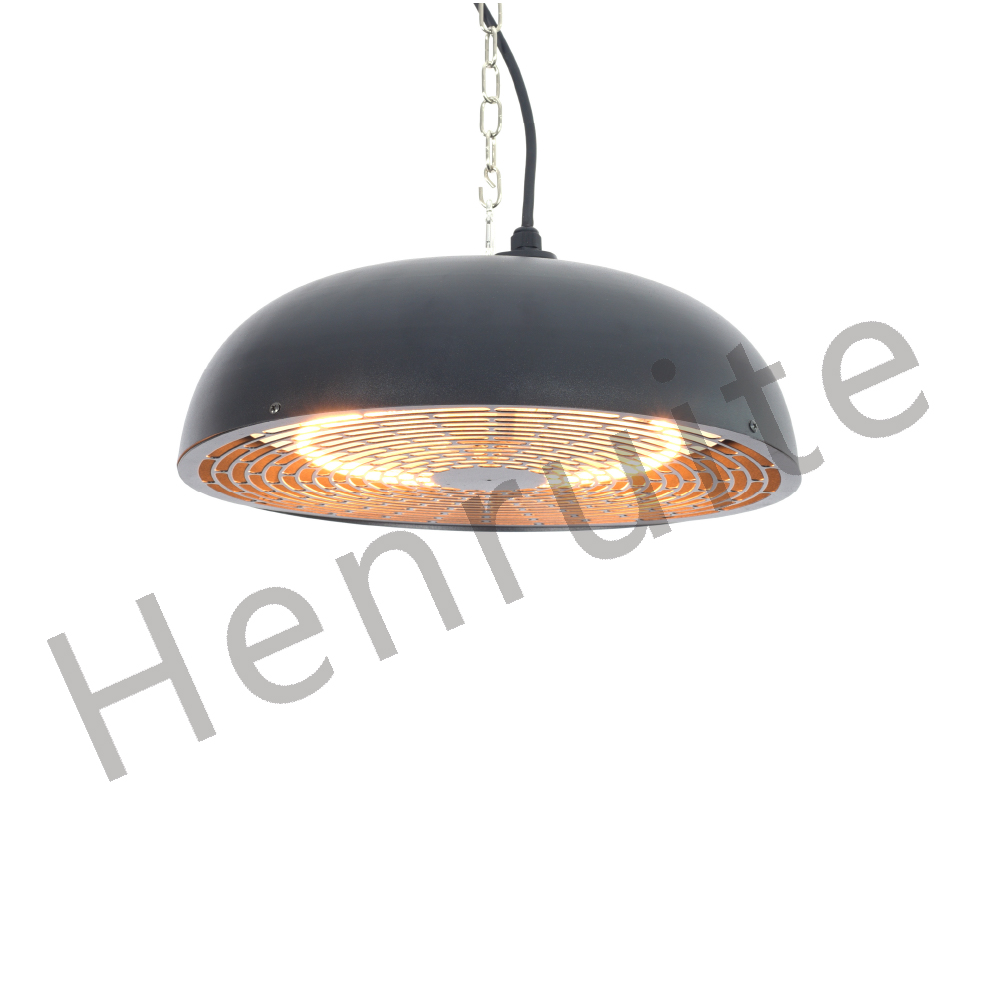
We built this remote control heater around infrared warmth. The carbon fiber element throws radiant heat immediately, so you warm people where they stand, not the air above them. Pair that with a smart sensor that watches occupancy and ambient temperature, and the unit only runs when it needs to. You can tweak settings from across the corridor with the included remote, and the thermostat holds the temperature steady so you avoid the on-off cycling that spikes bills. For safety, tip-over protection shuts the heater down if it’s knocked over, and the IP rating makes it suitable for sheltered outdoor spots.
Why this setup makes sense here
In a semi-open commercial corridor, the real win is matching heat to actual use. The sensor dials the heater down when the area’s empty and brings warmth back the moment someone steps in. Because infrared warmth reaches people directly, you keep the space comfortable without overheating the air. That means lower energy use, quieter operation, and a more consistent feel for customers and staff. Remote control takes the guesswork out—set the warmth and get on with running the venue.
What to watch for
Infrared heaters warm objects and people directly, so comfort hits fast. Just place the unit to keep pathways clear and avoid glare on reflective surfaces. The smart sensor needs a clear field of view, so mount it where it can see motion and keep it out of direct drafts that can trip false readings. For best results, run the heater on a dedicated circuit and follow the clearances for the IP rating and ventilation. In humid conditions, keep the heater protected from direct water exposure.