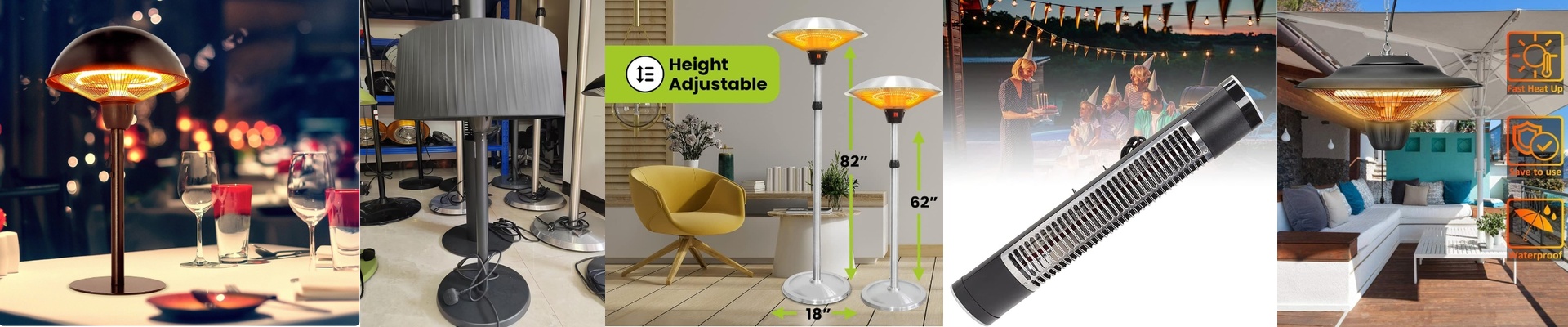
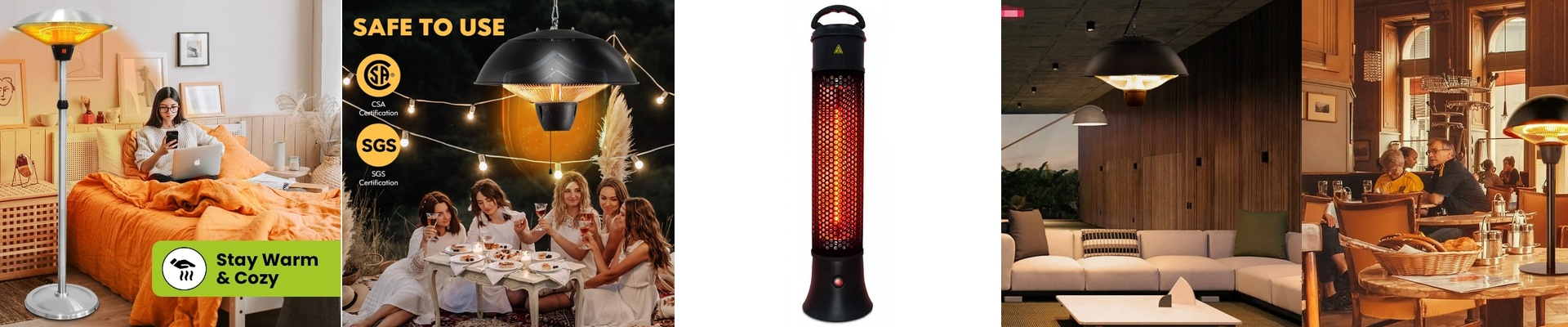
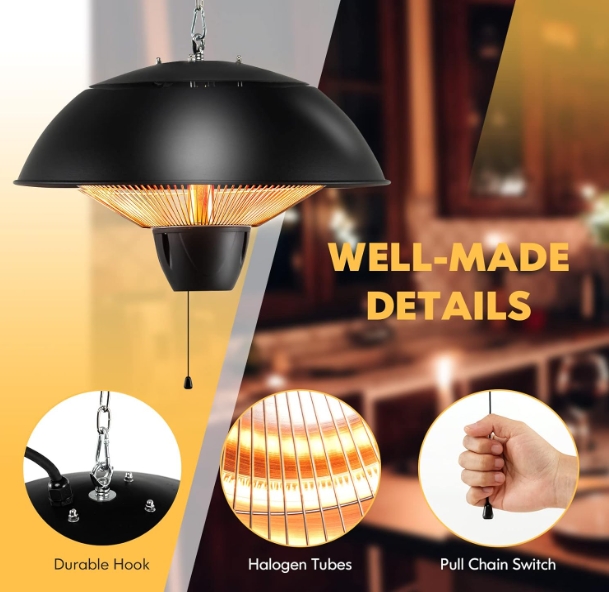
Even when the night is still, the air can get biting—the kind that makes you hunch your shoulders and stiffen your knees. If your patio is your living room, conventional heat just warms the air, and a breeze wipes it out. An umbrella heater built around infrared warmth changes the feel because it delivers radiant heat that acts more like sunlight.
What’s actually going on under the hood
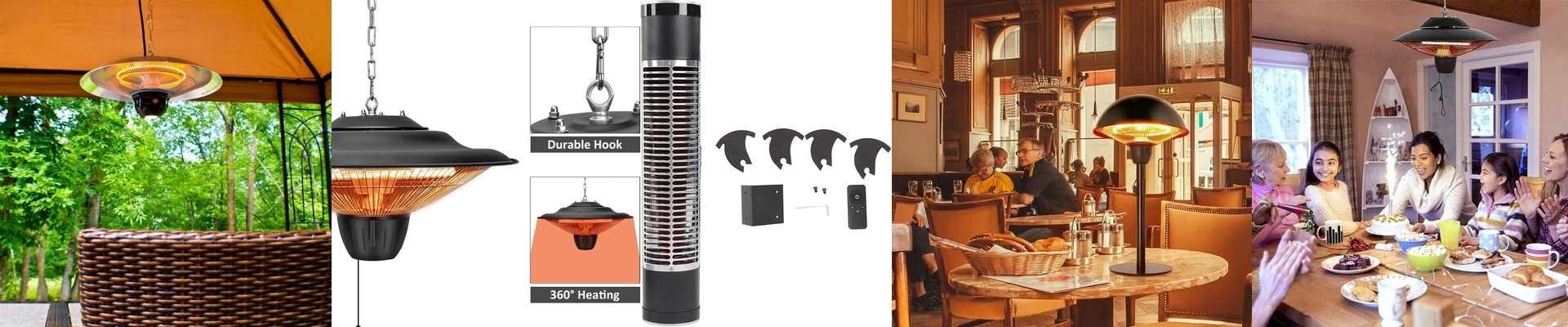
We run an infrared heating element—usually a quartz tube or a carbon fiber strip—inside an umbrella-style outdoor heater, and the heat projects outward in a wide arc. Instead of trying to warm a big volume of air, it sends energy straight to people, tables, and fabric. That gives you sun-like warmth: you feel the heat almost immediately, and it holds steady even when a light breeze slips through. In real use, that means comfort shows up faster. Most umbrella heaters plug into a standard 120V outlet and put out 1,500W of radiant output, enough to create a cozy pocket for a small group without trying to heat the entire yard. Controls stay simple, too—turn the heat up or down as the evening drops—and look for practical safety features like tip-over protection and an outer screen that keeps things from getting too close.
Why this approach fits outdoor evenings
The point of evenings outside is staying out longer, not just toughing it out. Infrared warmth works by heating the body directly, so you can settle into your chair instead of bracing against the chill. That steady radiant heat helps muscles and joints loosen up, which can ease the tightness that creeps in from cooler seats or that “always tense” feeling in your neck and back. As you relax, the warmth supports better circulation, so comfort feels more even from the inside out. Whether you’re dining on the patio, reading under the stars, or just talking with friends, the umbrella heater keeps the experience natural—no blast of hot air, and no constant shifting to chase a narrow stream of heat.
What you need to get right
Infrared umbrella heaters perform best when you position them at a comfortable height and angle, so the radiant beam spreads across the seating area without shining straight into eyes. They’re built for outdoor use, but they still need a dry power source and protection from heavy rain—check the IP rating and keep the power connection off the ground. Because radiant heat warms objects and people rather than the air, it’s normal to feel the surrounding air stay cooler. If you want dependable comfort on windier nights, pair the umbrella heater with a sheltered setup or add a secondary outdoor electric heater nearby. Warmth, instantly. Comfort, quietly.