

Why We Build These Heaters
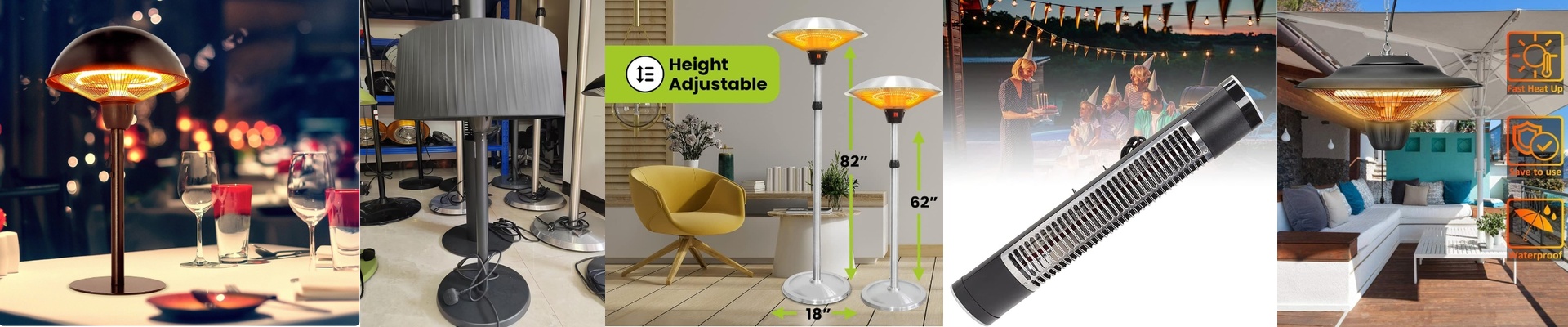
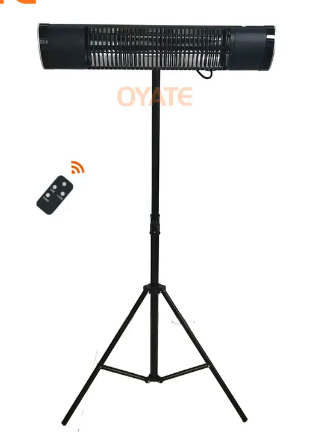
Here’s the truth: we built our wall-mount infrared heaters for one reason—to give you heat where you need it, when you need it. No fuss, no wasted energy. In bathrooms especially, space is often tight and the air is always damp. The goal is simple: get the wattage right for the size of the room, so you feel warm without throwing money at the meter. We make that happen by matching the power to the space and keeping the install clean and wall-mounted.
Power, Voltage, and Size—Straight Talk
It all comes down to power density. For a small bathroom, a 1000W heater usually nails it—just enough focused warmth. If you’ve got a larger space, stepping up to 1500W or 2000W keeps the temperature steady without the heater constantly cycling on and off. And we designed these units to work with standard industrial voltages. So you can wire them straight into your existing 220V–240V or 380V–400V circuits. That kind of flexibility matters, especially on a busy work floor—no need to add extra transformers. Tube length? It’s more than a measurement. It decides the footprint and how the heat spreads. A shorter tube focuses the beam—perfect for spot heating near showers or sinks. A longer tube opens up the pattern, covering more wall area. When you pick the length, you’re really picking the coverage.
The Details That Matter
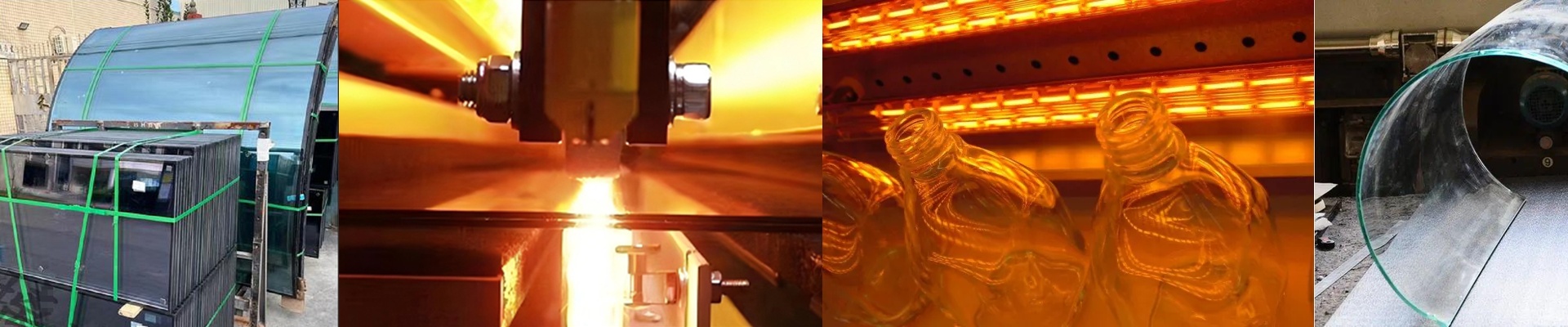
We use halogen-filled quartz tubes because they can take the heat—and they handle rapid on/off cycles without blinking. The halogen gas helps keep the filament stable, so the output stays consistent over time. Many units also have a reflective coating behind the tube. It pushes more infrared energy forward, so more heat goes where you aim it and less gets wasted into the wall. Then there’s the connector choice. We use R7s and Sk15 terminals because they’re built for industrial current and repeated maintenance. That means swapping a tube is quick and clean—just re-seat the connector and you’re back up and running. Downtime stays short.
What It Feels Like in a Bathroom
Bathrooms need heat that shows up fast and helps surfaces dry quickly. Infrared does exactly that by radiating energy straight onto people and materials, not by trying to warm the whole air. When you match the wattage to the room, you avoid oversizing the unit and wasting power. Now, higher wattage means more heat density, so plan for proper clearance and make sure the wall and wiring can handle the load. Get the spec right, and a wall-mount infrared heater gives you controllable warmth in a small footprint—and it can help keep operating costs down.