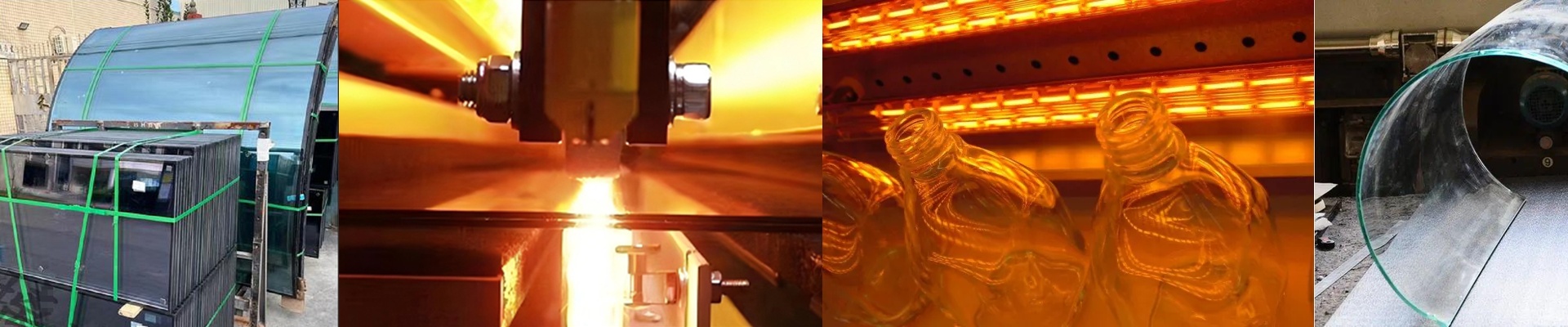

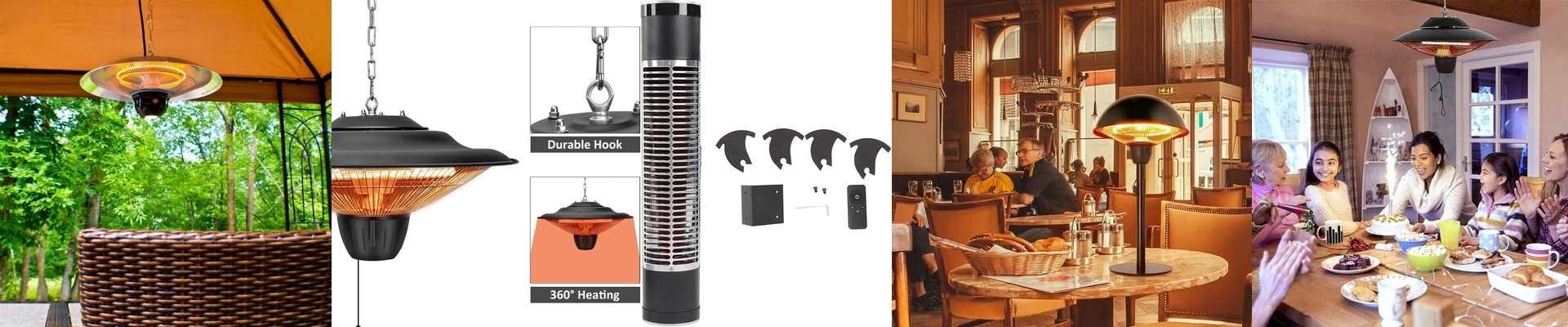
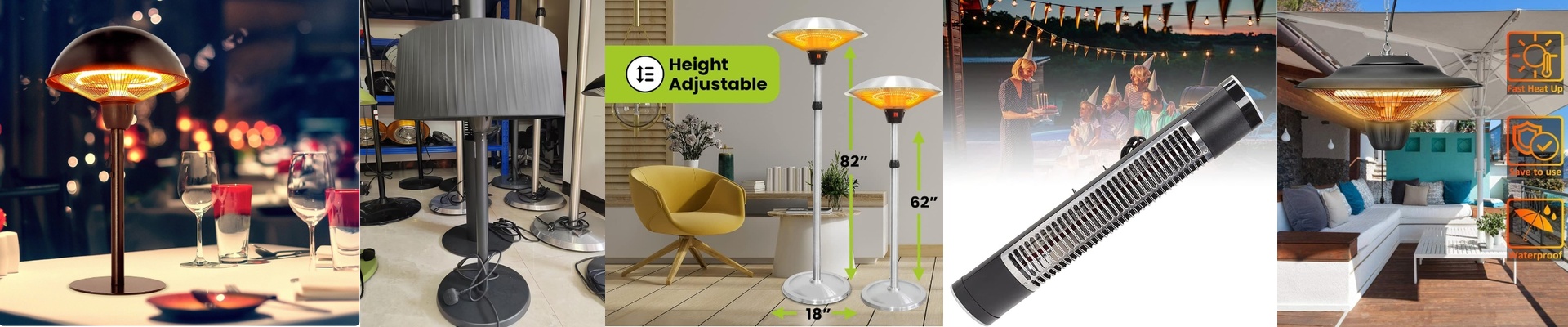
Out on the line, a dragging or uneven dry cycle brings tempering, lamination, and coating to a crawl. You can see condensation sneaking back into the insulating glass seal, and yield slips away while the oven battles humidity. We built our ceramic and glass dryer to stop that drift and keep the thermal profile tight—shift after shift. What actually matters under the hood The dryer pairs high-emissivity ceramic elements with short-wave IR to knock moisture off glass surfaces quickly, without scorching edges. The heater layout and reflector geometry are tuned to even out the thermal field, so you get repeatable drying across the whole load. It’s built for industrial pace: fast ramp, steady holding, predictable cooldown. It runs on standard plant voltages, drops into existing ovens and conveyors, and uses terminals and mounting that hold up to vibration and thermal cycling. Why this matters in glass processing Drying is the gatekeeper. In tempering, leftover moisture is a straight invitation to thermal stress fractures. In EVA/SGP/PVB lamination, trapped vapor shows up as bubbles and delamination. For insulating glass, a weak seal line often starts with slow desiccant activation. This dryer cuts drying time, helps stabilize the curve in bending, and supports a consistent coating cure—so you hit cycle targets and cut scrap. Energy use drops because the heater hits setpoint fast and holds it without much overshoot. Here is what to keep in mind Installation is straightforward, but alignment is not optional. We supply adapter plates and wiring options for common glass machine brands, so you can do a drop-in replacement with minimal downtime. Before you swap it in, confirm oven clearances and airflow direction—tight spots can make service access a pain. Treat the element like what it is: a high-temperature part. Avoid rapid on/off cycling, and keep the chamber clean to maintain emissivity and temperature uniformity.