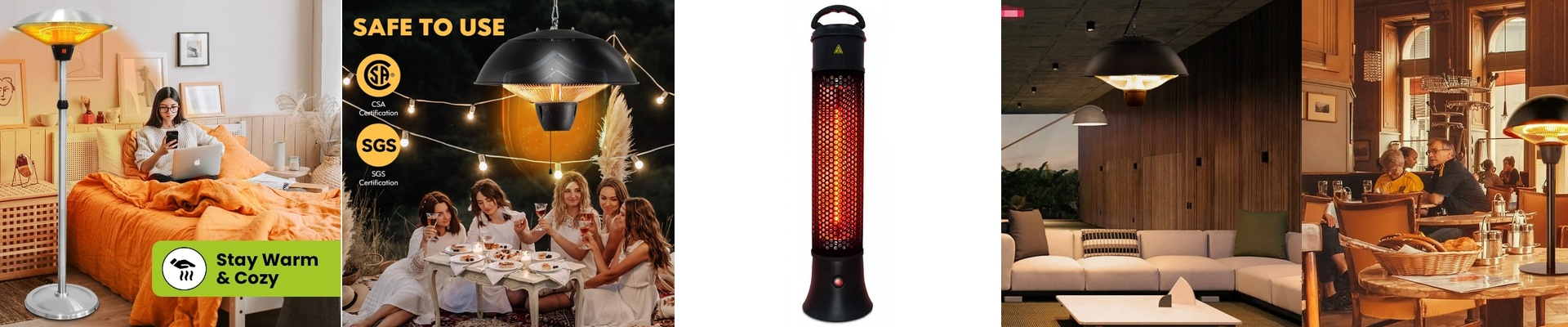
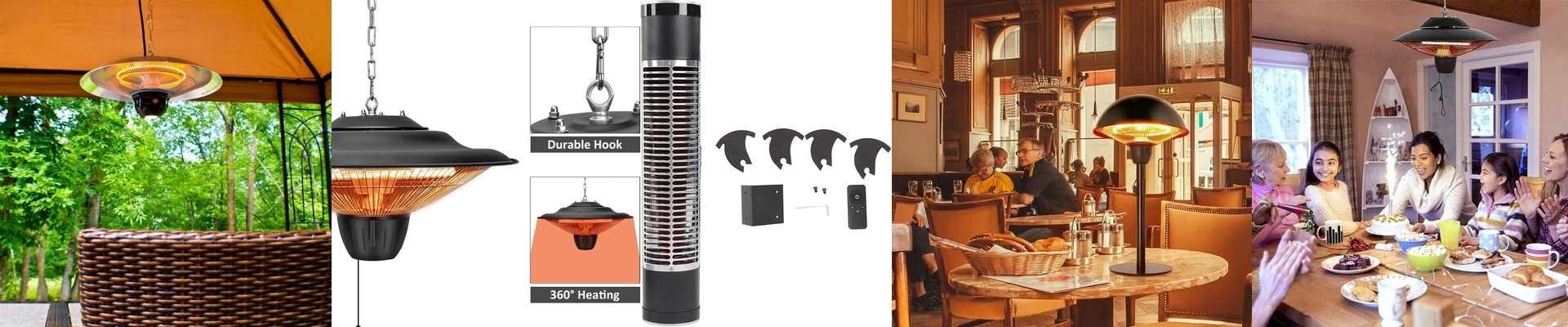
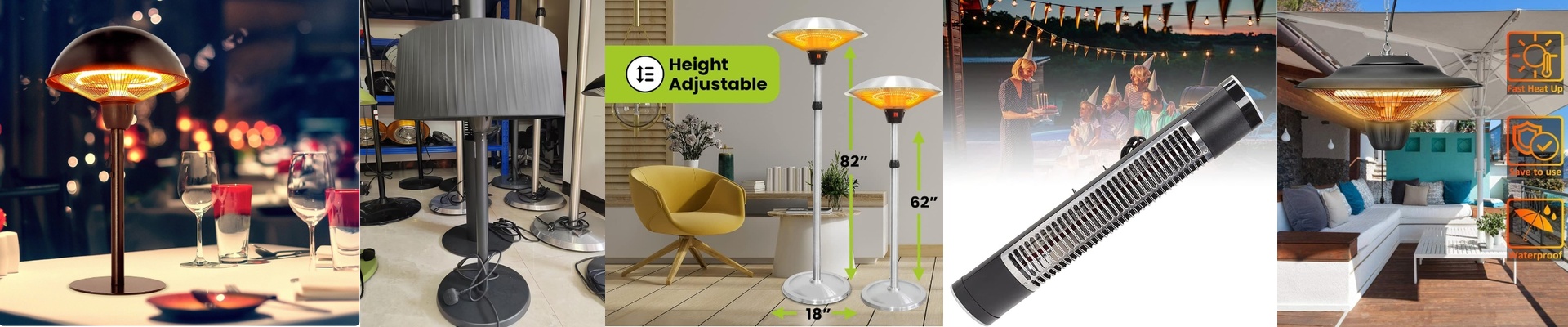
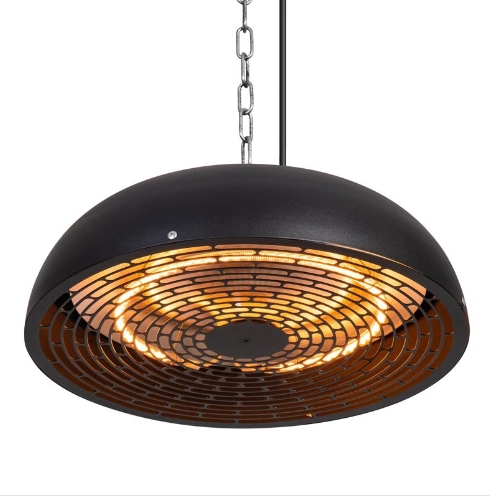
Why we’re switching to waterproof infrared in the bathroom
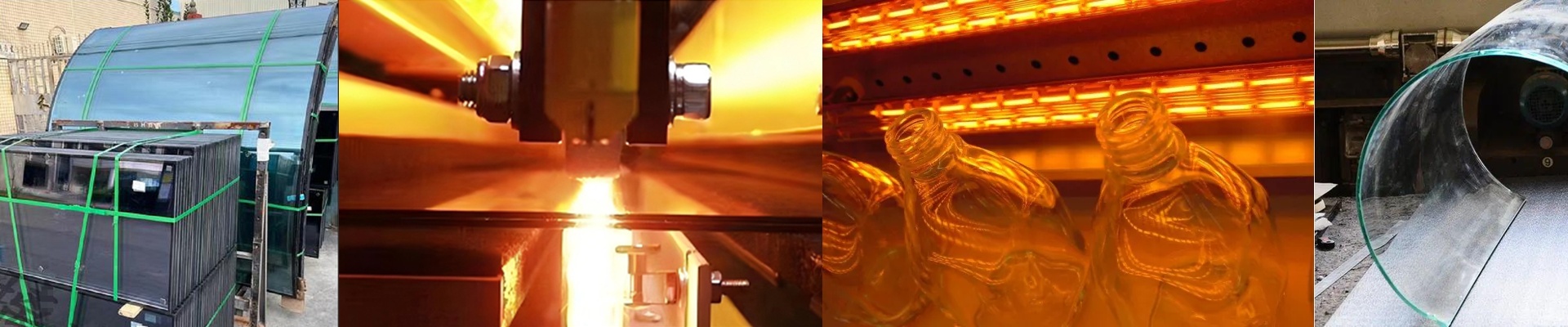
If you’ve been looking at bathroom renos lately, you’ve probably noticed those old-school halogen heat lamps disappearing. We’re moving away from them, and it’s not just because they look dated. It’s because bathrooms are basically steam rooms, and old lamps just aren’t built for that. The deal with moisture Here’s the thing: steam is sneaky. It gets into everything. With standard lamps, water vapor slips past the seals, messes with the wiring, and eventually, the whole thing just burns out or shorts. That’s why we’re now using units with high IP ratings. In plain English? They’re sealed tight. The heating guts are totally isolated from the humidity, so you don’t have to worry about corrosion while you’re scrubbing in the shower. Instant heat vs. waiting around Traditional heaters try to warm up the air. But in a damp bathroom, that’s a losing battle. It takes forever. Infrared is different. Instead of fighting the air, it sends out waves that hit you and the walls directly. You flip the switch, and you feel it.**Immediately.**We go with shortwave emitters because they pack a huge punch of heat into a tiny space. It’s the difference between waiting for a room to warm up and feeling like you’ve stepped into a patch of sunlight. A few things to keep in mind You can’t just plug these into any old outlet. Because they pull a lot of power to get that instant heat, they need their own dedicated circuit. If your wiring isn’t beefy enough, you’ll deal with voltage drops, which is a headache nobody wants. And a quick heads-up: these things are powerful. Like, really powerful. If you’ve got fancy stone or wood finishes, be careful. The direct heat can dry those materials out too fast, which might lead to cracking over time. To play it safe, we usually keep them at least 2.2 meters off the floor. It keeps the heat spread out evenly and keeps your expensive tiles happy.