
Stop Fighting the Cold in Your Outdoor Walkways
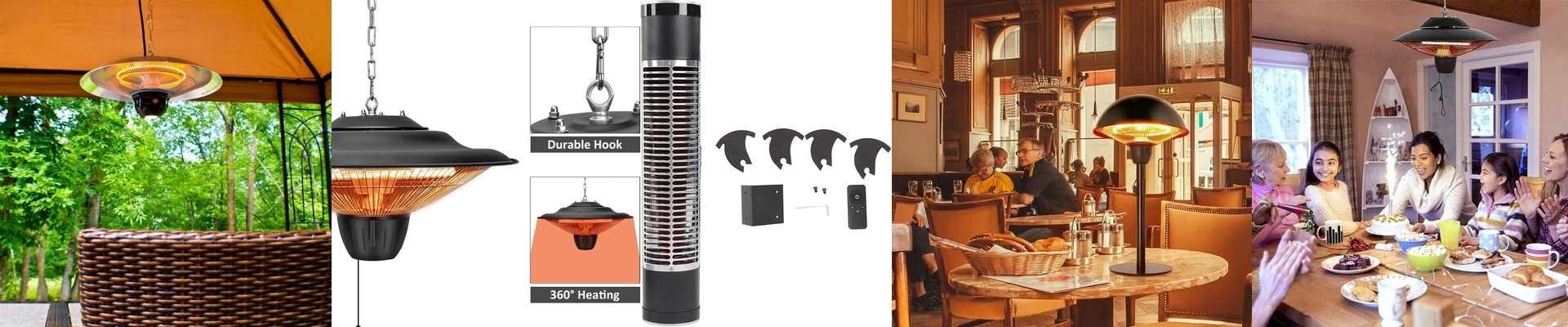
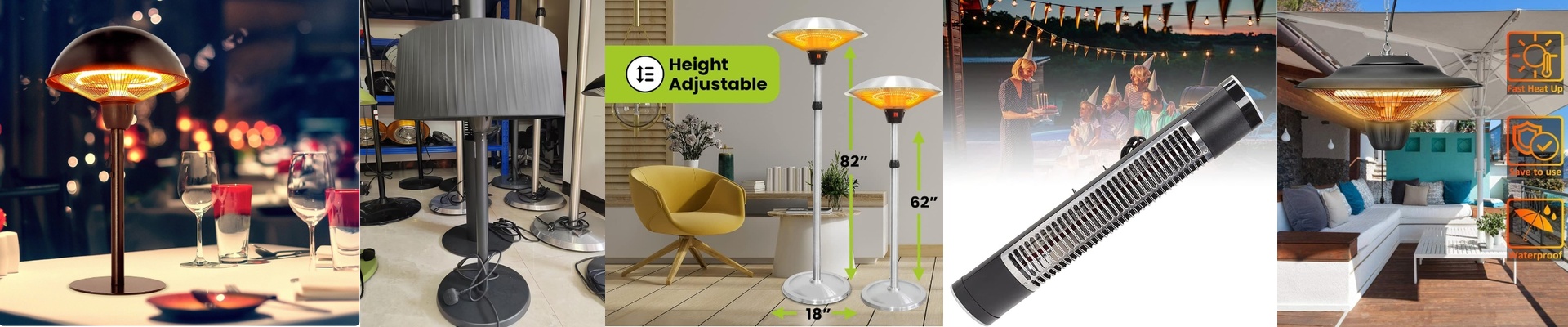
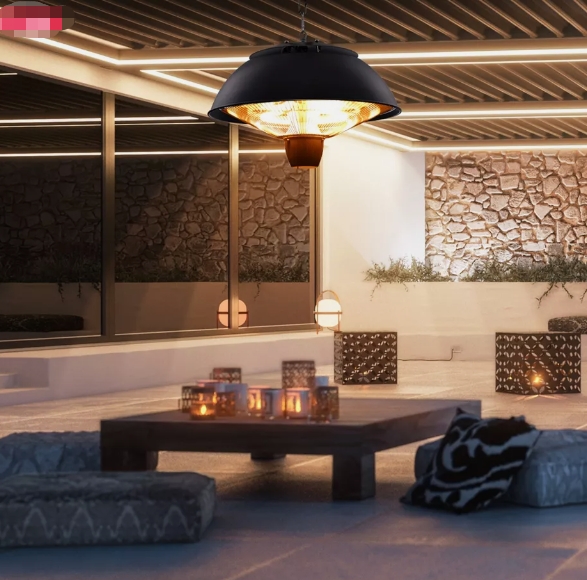
Ever tried to heat an outdoor corridor or a breezy entryway with a standard heater? It’s a losing battle. You end up spending a fortune just to warm up the air, which—let’s be honest—just floats away the second a door opens. That’s why we use shortwave infrared (IR). Instead of fighting the wind, it goes straight for the person. It’s the difference between trying to warm up a whole room and just stepping into a patch of sunlight on a winter morning. You feel it instantly. No waiting around for a boiler to wake up. How the heat actually works Here is the secret: shortwave IR hits your skin and clothes and turns into heat immediately. Unlike those slower heaters that need to “warm up” first, these things are basically instant. You flip the switch, the filament glows, and you’re warm. It’s fast. Really fast. Keeping the rain out Putting electronics outside is always a bit of a gamble unless you do it right. Moisture, splashes, and that annoying condensation can kill a heater in a heartbeat. To stop that from happening, we tuck the elements into rugged, IP-rated housings. We use tempered glass or quartz tubes and seal everything up with high-temp silicone gaskets. This keeps the water out but lets the heat pass through without any trouble. One quick tip: if you’re installing these in a place that’s constantly damp, double-check your wiring. If a seal fails, your filament will burn out before you even realize there’s a leak. A few things to watch out for Now, these aren’t “plug and play” in every single spot. Because they pack so much punch, they can create some pretty intense hotspots if you aren’t careful. You can’t just slap them on a wall and hope for the best. You have to think about the “throw”—the distance between the heater and the person. We usually mount them high enough so the heat has a chance to spread out before it hits someone. You want a cozy glow, not a sunburn. Also, keep an eye on your power. These units pull a lot of current. If you turn them all on at once, you might trip your breakers if they aren’t spec’d for the peak load. Better to check your electrical panel now than to be standing in the dark and the cold later.