
Fixing Glass Edge Chipping with Quartz Halogen Preheating
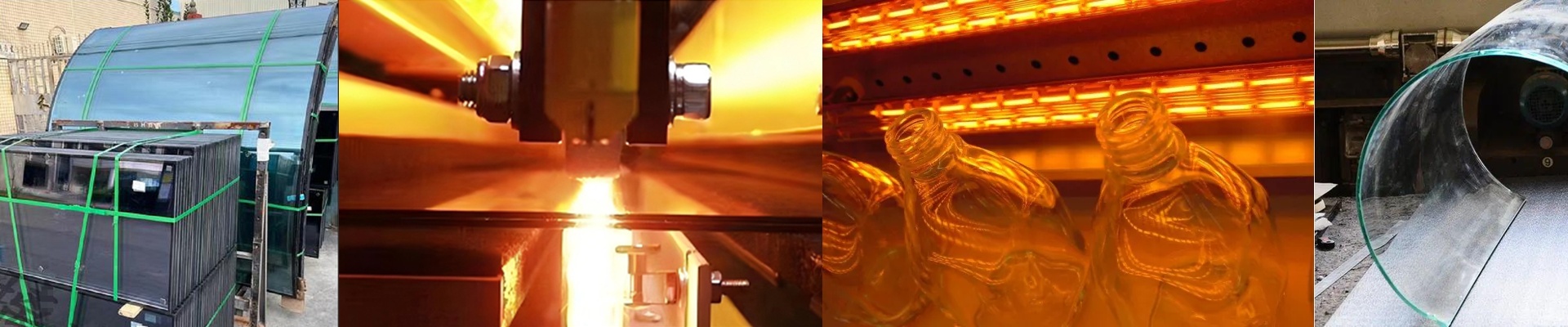
Cutting glass usually feels like a fight against the material itself. When you hit a cold sheet of glass with a cutter, the crack doesn’t always go where you want it to. It jumps. It wanders. And that’s how you end up with those annoying “edge breakouts”—those jagged, uneven chunks that ruin a perfectly good piece of glass. The trick to stopping this is simple: warm the glass up before the blade ever touches it. We use quartz halogen emitters to get the job done. Why the heat helps Here is the thing about quartz halogen lamps: they use short-wave infrared (IR) radiation. Instead of wasting time heating up the air around the glass, the energy goes straight into the material. This softens the surface tension and makes the glass a bit more “relaxed.” When the glass is warm, the crack travels in a straight, predictable line. You get a clean snap. No jagged edges. No wasted material. The gear and the gamble We use high-purity quartz envelopes because the tungsten filaments inside get incredibly hot. These bulbs pack a lot of punch in a tiny package, so you can mount them right next to the cutting head for a quick blast of heat. But you have to be careful. If you blast a cold sheet of glass with too much heat too fast, you’ll get thermal shock. The glass will crack before you even start cutting. To avoid that, you need power controllers that ramp the heat up gradually. It’s all about finding that sweet spot between “warm enough to cut” and “too hot to handle.” Making it work on the floor Usually, these bulbs are set up right over a conveyor belt. As the glass slides under the lamps, it gets heated instantly. Since these lamps hit their temperature almost immediately, you can play with the heat based on how fast your line is moving. Speed up the belt? Just crank the voltage to keep the surface temperature where it needs to be. One last tip: these tubes put off a ton of ambient heat. If you don’t vent your housing properly, you’re going to fry your control electronics. Keep it cool, or you’ll be replacing boards more often than you’d like.