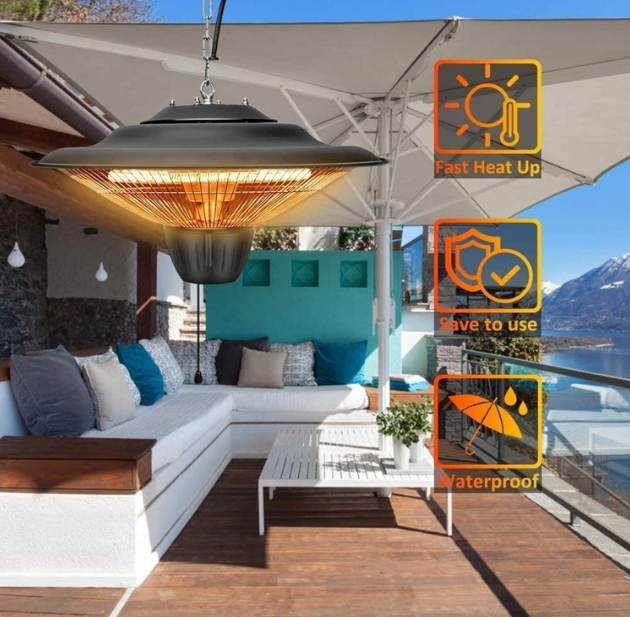
How to Pick the Right Infrared Heater for Your Bathroom
Nobody likes stepping out of a hot shower into a freezing bathroom. It’s a shock to the system. But if you’re looking at infrared heaters, you don’t want to just grab the most powerful one on the shelf. If you overdo it, you’re just wasting electricity and turning your bathroom into a sauna. First things first: look for anIPX4 rating. It’s just a fancy way of saying it’s splash-proof. Since bathrooms are humid and water flies everywhere, you need this so you don’t accidentally fry the electronics.
Picking your wattage
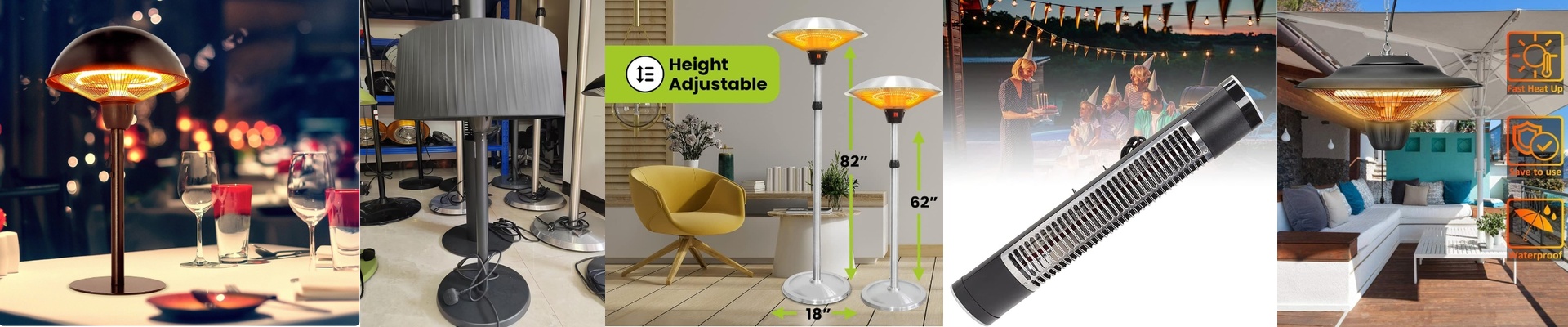
Think of wattage like the “strength” of the heat. You want it to match the size of your room. For those tiny powder rooms (under 3m²), a small 400W to 600W lamp is plenty. Don’t be tempted to put a 1200W beast in there. It’ll kick on and off every few seconds, which just wears out the machine faster. If you’ve got a medium-sized space (4m² to 7m²), aim for 800W to 1200W. For the big master baths (8m² and up), you’ll need 1500W. But here’s a tip: instead of one giant, scorching heater, try two smaller ones spread apart. It makes the heat feel more natural and covers the whole room better.
How it actually works
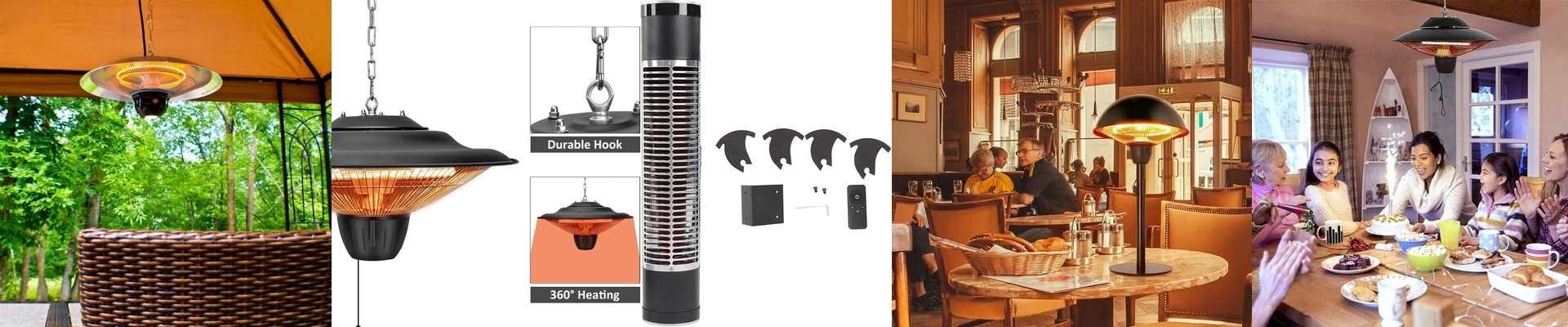
These heaters use shortwave infrared. The big difference here is that they don’t bother warming up the air—they warm you. It’s like stepping into sunlight. You feel the heat on your skin instantly, which is great when you’re shivering in a towel. But there is a catch: the “shadow effect.” Because the heat travels in a straight line, if you stand behind a shower curtain or a wall, you won’t feel a thing. When you’re planning where to put the heater, make sure it has a clear “line of sight” to where you actually stand.
Staying safe
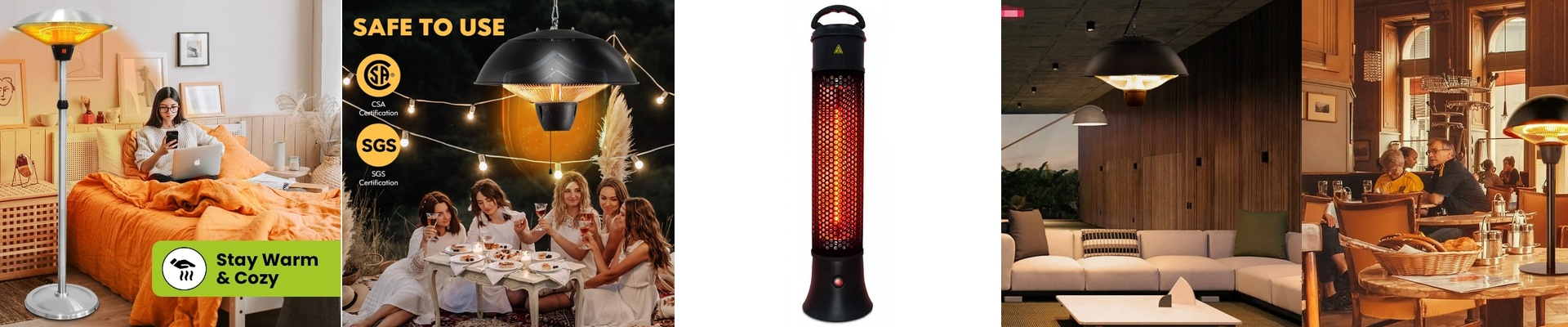
Safety isn’t the most exciting part, but it’s the most important. Make sure these are wired into a dedicated circuit with a GFCI (that’s the outlet with the reset button). Even with that IPX4 splash-proofing, these aren’t meant to be dunked in water. Mount them high—at least 2.1 meters up. This keeps people from accidentally touching the hot surface and lets the heat rain down on you. Plus, if you put a high-wattage heater too close to the ceiling, you might actually start scorching your paint.