Gold Tube Infrared Heaters: Why They’re the Smart Swap for High-End Bathrooms
Let’s talk bathroom heat. You know the kind—the kind that hits you the second you step out of the shower, not five minutes later. We built the gold tube infrared heater for those spaces where a regular heat lamp just doesn’t cut it. The idea is straightforward: give you warmth that turns on instantly, right where you need it, without the bulk, the glare, or the headaches of older systems. And in today’s bathrooms, where a serious waterproof rating is non-negotiable, this compact, tough little heater has become the go-to.
Power, Voltage, and a Smaller Footprint
At the heart of it is the output. These units run on high-voltage setups, which means they get hot—fast. And they do it in a package that doesn’t take up half your wall. Take a 2500W model. It throws off serious heat, but that power comes with a catch. Your electrical setup has to be ready for it. You’ll need a circuit and wiring that can handle the load. The trade-off is real: you get intense, localized warmth, but you have to make sure your home’s wiring is up to the job.
The Gold Coating Isn’t Just for Looks
That gold coating on the quartz tube? It’s doing real work. It acts like a filter, reflecting infrared energy back toward the target area while keeping visible light to a minimum. What you feel is direct heat—on you, on the surfaces around you—not wasted energy heating the empty space in between. And the R7s connector? That’s the standard for a reason. It’s built to handle the high temps and the current draw without failing. It’s a solid, industrial-grade connection that keeps the heater from burning out at the plug point, unlike those flimsy alternatives.
Why Waterproof Rating Is the Whole Point
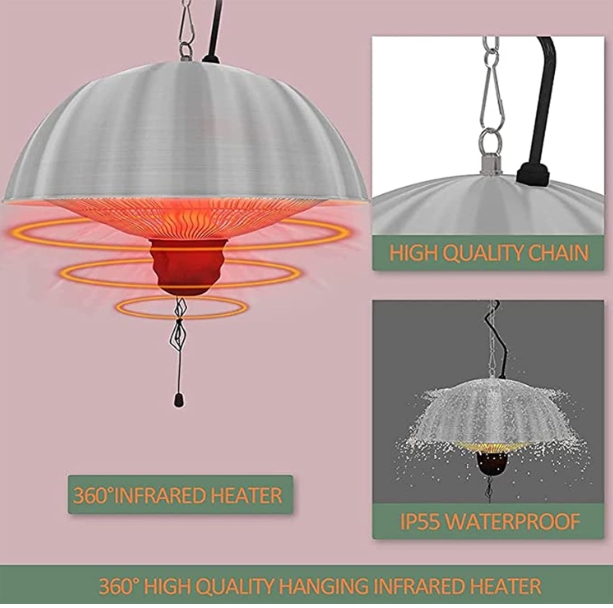
When it comes to bathrooms, the waterproof rating is what separates the upgrade from a gamble. Traditional lamps just can’t handle moisture. Steam gets in, and before you know it, they’re on the fritz. Our gold tube heaters are sealed tight against water and steam. For the person planning the build, that means a system that stays reliable in a tough environment, without constant maintenance. For the homeowner, it means moving from a temporary fix to a permanent, code-compliant fixture. A heater that can take the daily beating of humidity and still perform—consistently. That’s why it’s become the standard in modern bathrooms.