

Introduction
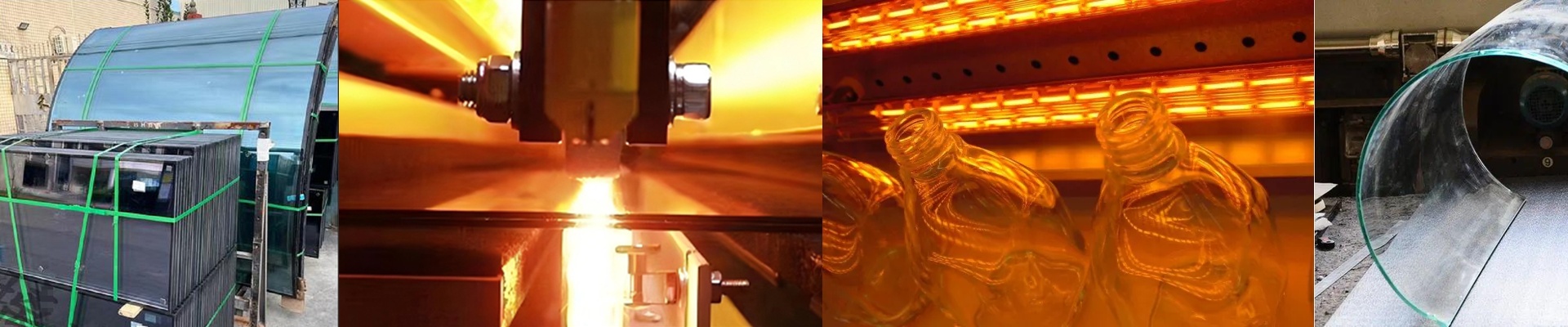
Let’s get straight to the point. We built this CE-approved electric infrared heater to tackle the one thing that’s driving everyone crazy: sky-high energy bills on the shop floor. You know the question. We all do. Is infrared really a smarter way to heat that’s going to slash our electricity use? The answer is a straight-up yes. We’ve seen a 30% cut in energy consumption compared to the old convection methods. This isn’t some marketing spin. It’s just physics, working for you.
The Tech, Without the Fluff
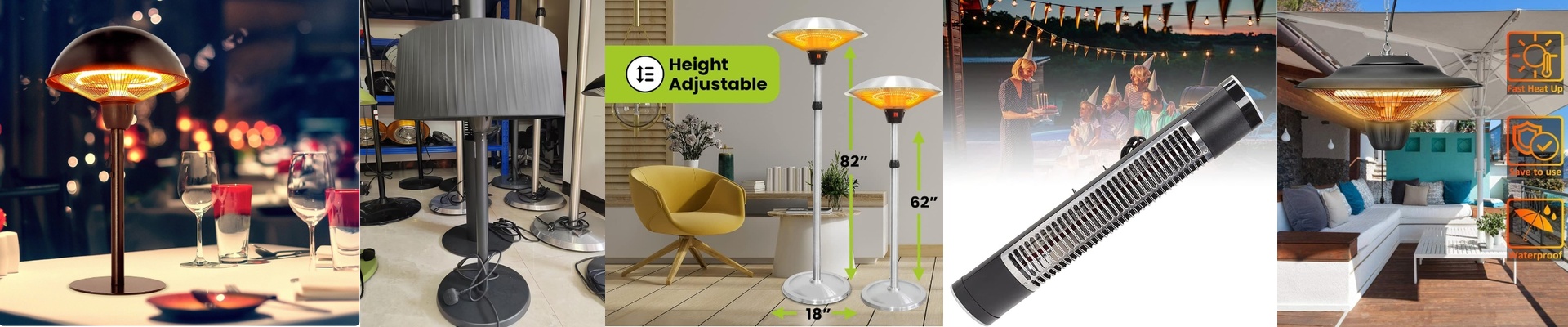
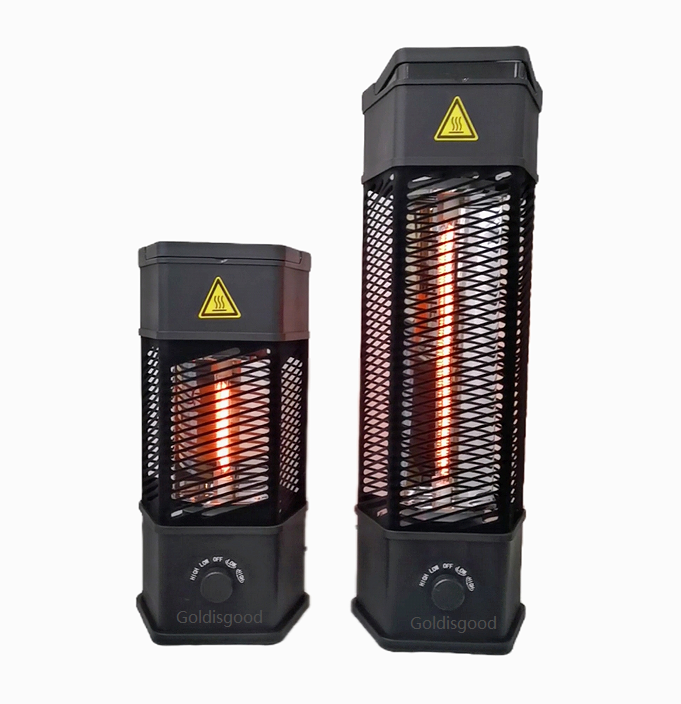
Here’s the magic behind it. Inside, you’ve got a high-output halogen element. It’s tuned to hit the exact absorption spectrum of the materials you’re heating. Think of it this way: it sends the heat directly to the target. No wasted energy on heating the air around it. It runs on a standard industrial voltage, packing a powerful, concentrated heat load into a small footprint. The whole design is built to match your line-of-sight needs, so the heat goes exactly where you need it, exactly when you need it.
What It’s Built With (And Why It Matters)
We chose a quartz envelope because it can handle rapid heating and cooling without cracking. That’s a big deal for reliability. Inside, a halogen gas fill keeps the filament stable, which means a longer life and consistent output. The reflector coating is all about directing that infrared energy forward, so you don’t lose any to the sides. And that R7s connector? It’s not just an afterthought. It’s a solid, high-temp connection that you can wire up fast, and it holds up to the constant vibration of a busy machine line.
How It Feels on the Floor
When you’re running it, you feel the difference. It heats up fast, and it responds instantly. No more waiting around for the system to catch up. You get precise temperature control without that lag that slows down convection heaters. That 30% energy saving? It comes from not wasting a single watt on heating air or surfaces that don’t need it. Now, a heads-up: because the output is so concentrated, you do need to make sure your cooling and ventilation are up to spec. But for processes that need intense, localized heat—like drying, curing, and pre-heating—this is the drop-in replacement you’ve been looking for. Every watt really does count.