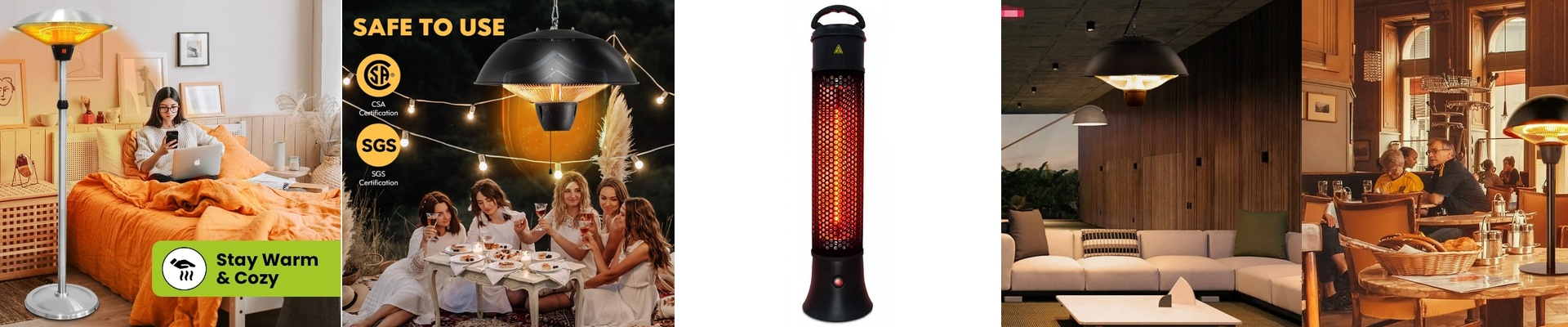
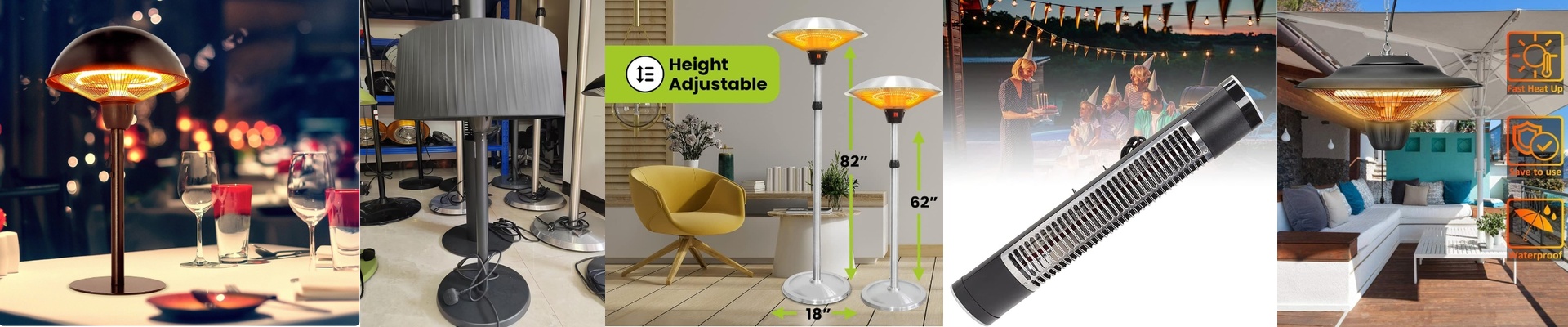
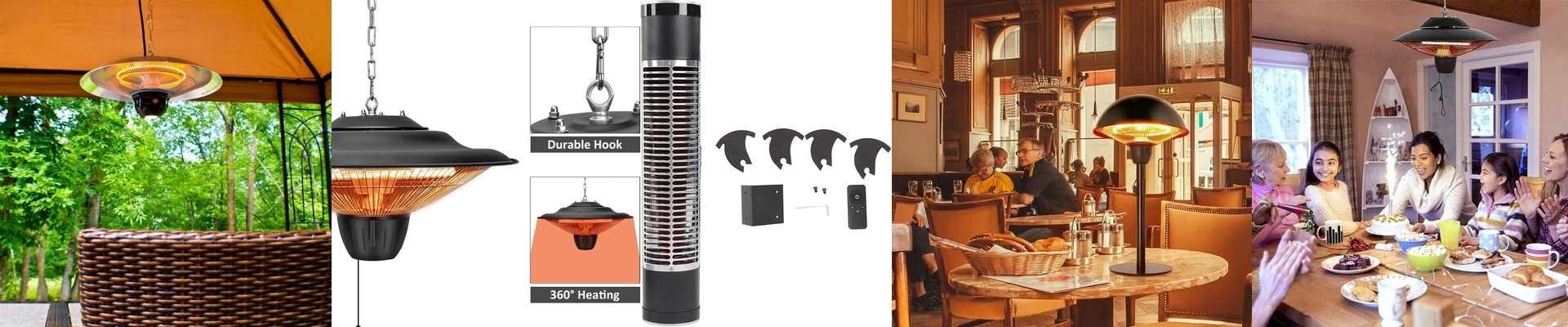
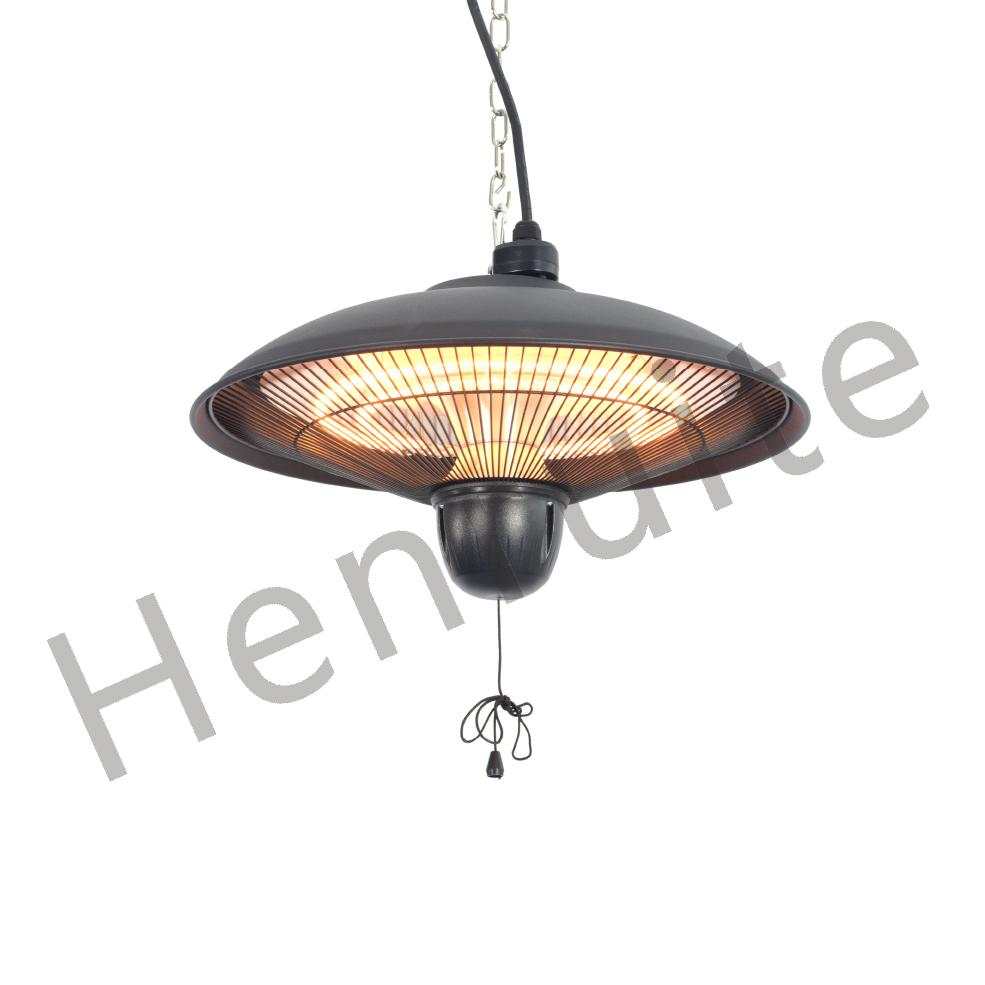
Ever been under a patio heater and felt the heat on your legs while your shoulders stay cold? That’s not bad luck—it’s physics. And usually, the fix is straightforward: height and angle. With decorative infrared heaters, the whole point is even, instant radiant warmth that feels natural, not forced. What’s actually going on under the hood These heaters deliver comfort through radiant heat, not by warming the air. Many models run on a carbon fiber element or a quartz tube, putting out short- to medium-wave infrared warmth that travels outward and heats people and surfaces directly. You get a quiet zone with no drafts, and it stays comfortable even when the evening turns chilly. Typical units run on standard household power, with outputs scaled for a small nook or a larger outdoor seating area. A built-in thermostat keeps things steady, and on quality models you’ll find safety basics like tip-over protection and an overheat cutoff. Why mounting height makes all the difference How high you hang the heater directly shapes how the warmth lands. Mount it too high, and the beam spreads and loses punch before it reaches you. Too low, and you get hot spots and glare. For most residential installs, I like to mount the heater 7 to 9 feet above the floor, angled down just enough to cover the seating area evenly. Outdoors, plan for wind by picking a sheltered spot and keeping the beam centered on the chairs, not the table edge. Get the angle right, and you’ll feel even warmth from head to toe, a faster warm-up, and steady comfort without constantly chasing the thermostat. Here are the practical details that matter Clear the mounting area and check local clearance rules to the ceiling and any nearby combustibles. Infrared warmth is line-of-sight, so aim the heater at the people, not an empty patch of wall. Some decorative models are rated for covered outdoor areas, but verify the IP rating and keep the power connection protected from moisture. And remember: radiant heat warms what it touches—keep furniture, drapes, and plants out of the direct beam so you don’t end up with uneven heating.