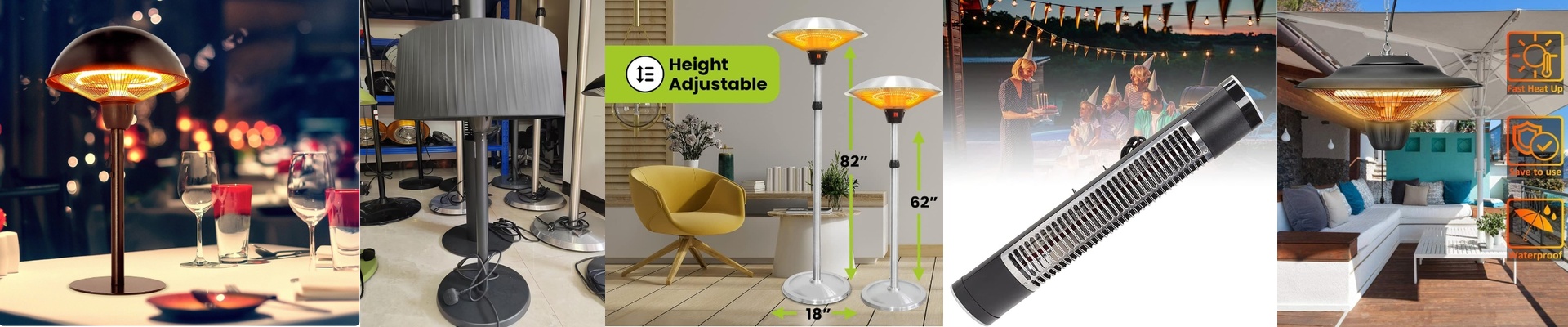


Introduction
Let’s cut to the chase. We build industrial infrared fan heaters for factory floors and production lines—heat that hits hard, right where you need it. And the big question is always the same: will this actually save you money on your power bill? Yes. By pairing infrared heating with smart airflow, we can trim energy use by up to 30% compared to old-school convection systems. This isn’t hype. It’s just physics and smart controls doing their job.
Power, Voltage, and Size: Matched to Your Work
We size infrared heaters to match the actual heat load of the job, not guesswork. And we set them up to run on standard industrial voltages, including 400V, so they plug right into your plant’s power setup. That means no costly line upgrades and an installation that stays clean and simple. The heating element is tuned for a specific wattage density, so you get predictable heat output per unit length. That lets us fit the heater to the exact footprint of the area you’re heating—no wasted energy on empty space.
The Build: Halogen, Quartz, and Solid Connections
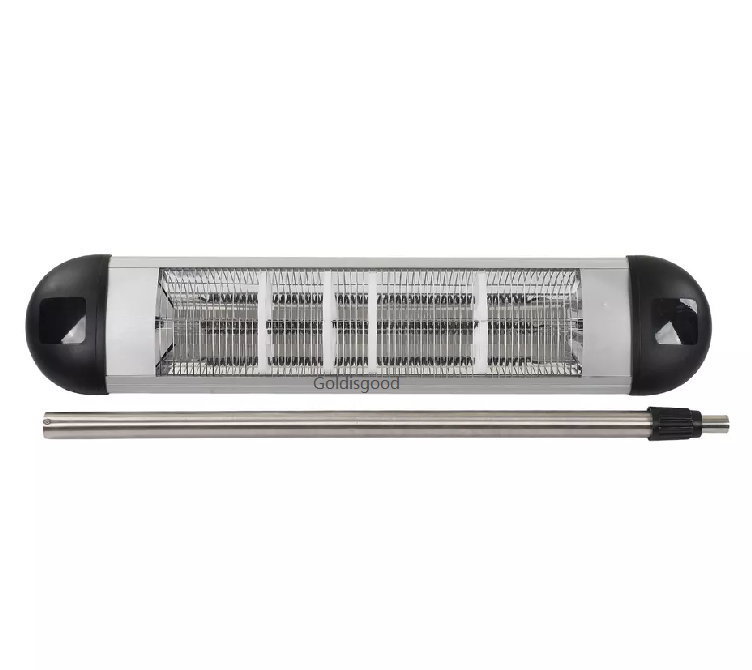
Inside, the heating element uses a halogen-filled quartz tube. The halogen gas helps the filament last longer by slowing evaporation and keeping output steady over time. The quartz envelope handles sudden temperature swings and sends infrared energy out efficiently. For the electrical side, we use the R7s connector—an industrial standard you can trust. It gives you a secure, low-resistance connection that’s quick to wire up on the shop floor. And the reflector coating is built to take high heat while staying highly reflective, so more energy goes straight where you aim it.
Real-World Use: Fast Heat, Simple Install, Honest Trade-offs
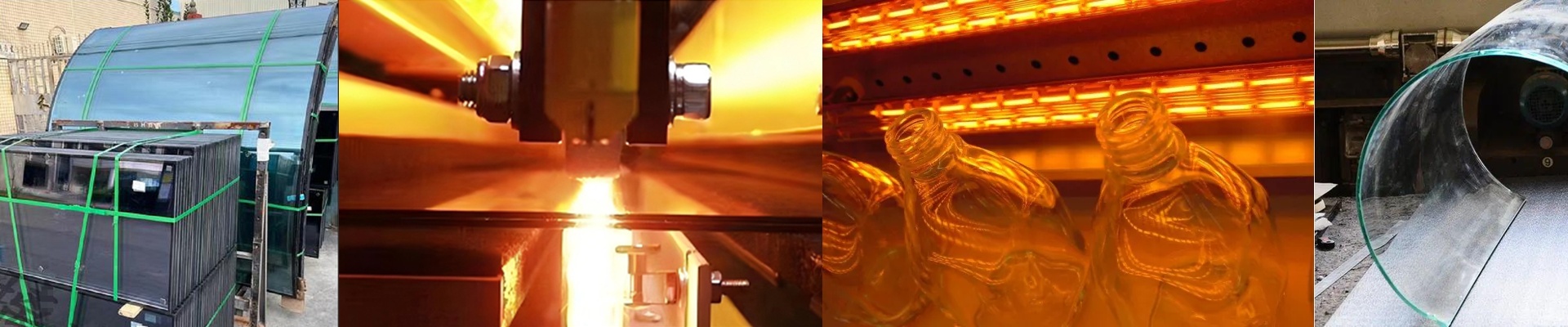
On jobs like PET blowing, drying lines, or spot heating, infrared delivers heat exactly where it’s needed—fast—with almost no preheat. The fan section mixes the air to prevent hot spots and adds convective coverage, so you get a more even thermal profile. You also get easier installation, less wiring complexity, and a compact footprint. But there’s an honest trade-off: high heat density means you need proper machine cooling. Plan for good airflow and heat management, or the surrounding components will feel the strain.
The Energy Logic—and What It Means for Your Wallet
That 30% energy reduction comes down to one simple idea: aim the energy at the product, not the whole room. Infrared heats surfaces directly, while the fan takes care of the surrounding air. Less wasted heat. Lower peak demand. More stable process temperatures. Financially, that shows up as a lower kWh draw, fewer demand charges, and less downtime for maintenance. Spec it right, wire it in, and the system earns its keep—through lower operating costs, month after month.