

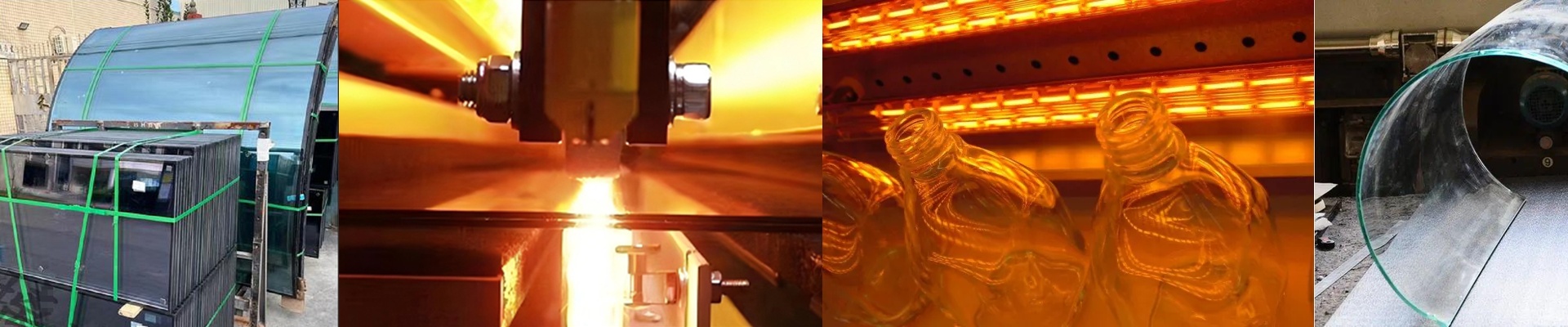

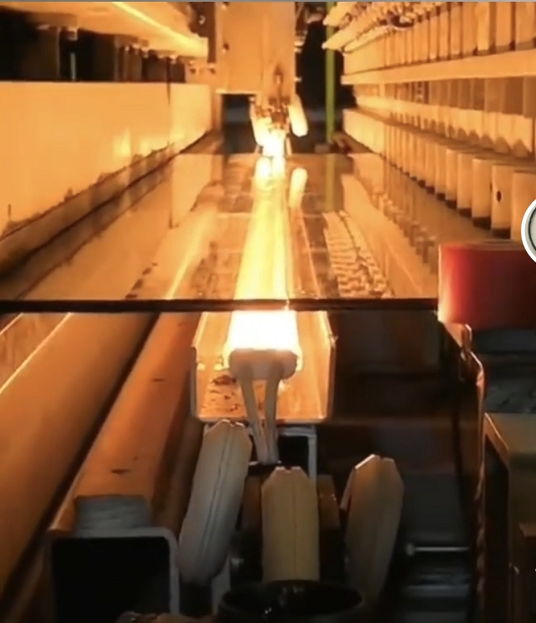
Out on the glass line, heat is never just heat. It’s the dial you set to hit the bend within tolerance, to make the temper pane survive the impact test, to get a laminate bond that comes out clean—no bubbles, no rework. When the heating module is off its game, you pay for it fast: scrap, callbacks, and downtime you didn’t plan for. What matters under the hood We spec OEM infrared heating elements for industrial glass work, usually short-wave quartz emitters. The point is rapid, directional energy transfer. They’re matched to the absorption spectrum of glass and common coatings, so the heat goes where it’s needed—into the surface layer—without cooking the furnace body. Output is engineered for stable, repeatable power density, tight hot-zone uniformity, and fast response from a cold start. It isn’t about chasing peak temperature; it’s about holding the thermal profile you need, cycle after cycle. Why does this matter in practice? In hot bending, uniform heating across the sheet keeps thermal stress in check and keeps optical distortion within spec. For tempering, a fast, even preheat stabilizes the heating stage so the quench can deliver consistent surface compression. In lamination—EVA, SGP, or PVB—infrared gives you controlled surface heating that helps the adhesive flow right and consolidate without voids, then pulls back quickly so you don’t overshoot. In coating drying, the heat gets into the wet film without scorching the substrate, shortens dwell time, and keeps throughput moving. The payoff is fewer rejects, steady line speed, and predictable energy draw. Here are the shop-floor realities. Infrared is line-of-sight, so mounting geometry, emitter spacing, and reflector condition directly shape uniformity. Expect a short warm-up to hit stable output, and keep the emitter window clean—coating overspray and dust will cost you performance. Check voltage tolerance and connector compatibility against your OEM machine. Mismatched terminations create hot spots and cut service life short. Plan routine checks, and keep spare modules on the shelf. That’s how you minimize the unplanned stops.