

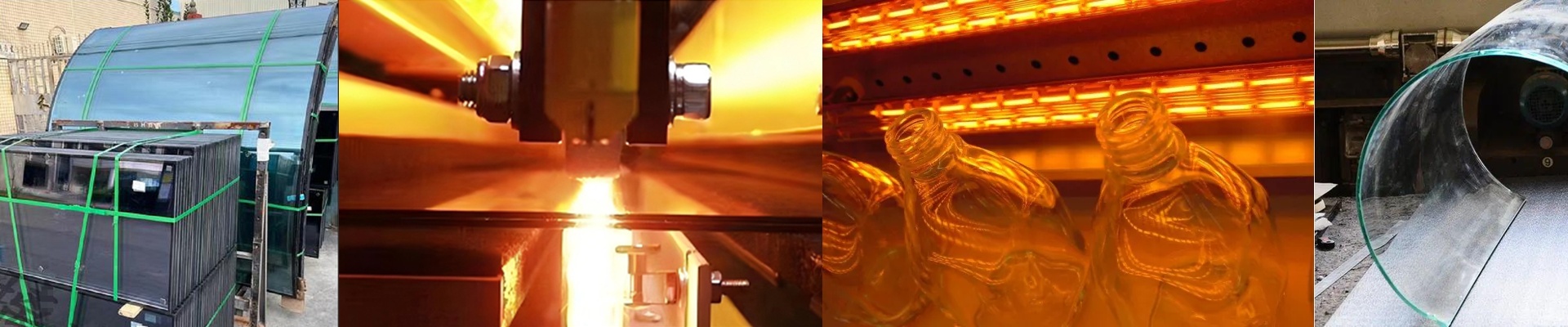


Cutting through ultra-thick glass is brutal on your equipment. When that glass is cold and stiff, your cutting wheel has to basically fight the material to get a fracture started. The result? Chipped edges and a constant, annoying cycle of replacing tools. We found a better way: high-penetration infrared (IR) lamps. Instead of forcing the cut, we soften the glass right where the wheel is about to hit. Why standard heat doesn’t work If you use a basic heat lamp, you’re just warming the surface. That doesn’t do much for a thick slab. We use shortwave IR because it actually sinks deep into the glass. It creates a tight “thermal zone” right along your cut line. You aren’t trying to melt the glass—that would be a disaster. You’re just relaxing the internal tension enough so the glass actually wants to be scored. Saving your tools This changes everything for your hardware. Since the path is softer, your diamond or tungsten carbide edge isn’t taking a beating every single second. The mechanical load drops significantly. Your wheels last longer, you spend less time swapping blades, and the whole process just feels smoother. The tricky part We’ve built these heaters to react instantly, so they can keep up with the cutting head in real-time. But you have to be precise. If you heat up the whole slab, the glass expands, and suddenly your tolerances are shot. You need that heat focused exactly where it belongs. One last thing: these lamps put out a lot of intense heat. If you go with a high-wattage setup, don’t skimp on your cooling fans or heat sinks. If you don’t manage that radiant heat, you’ll end up warping your brackets or frying your sensors. Not a great way to start the day.